
Peanut-y Red Thai Curry Ramen Recipe hits that perfect spot between cozy ramen shop comfort and bold Thai curry flavor, with a rich, peanut-y coconut broth that hugs every noodle. It works for busy weeknights, date nights at home, or meal prep, and you can get it on the table in about 30 minutes. I first tested this on a rainy Tuesday while still in my pajamas, so you know I designed it for real-life cooking, not just pretty photos.
Why Make This Peanut-y Red Thai Curry Ramen Recipe at Home
This Peanut-y Red Thai Curry Ramen Recipe gives you a silky, spicy, slightly sweet broth that tastes like takeout but costs less and uses ingredients you control. You choose the spice level, the protein, and the veggies, so every bowl fits your mood. It also uses pantry shortcuts like red curry paste and peanut butter, so the flavor tastes layered without extra work.
You cook everything in one pot, which keeps cleanup easy and weeknight-friendly. The noodles soak in the broth and pick up that red curry and peanut flavor, so every bite tastes rich and satisfying. Leftovers taste even better the next day, which always feels like a tiny life win.
“This Peanut-y Red Thai Curry Ramen Recipe tastes like a mashup of my favorite Thai curry and ramen shop bowl, but I made it in one pot on a Tuesday night.”
Ingredients You Need
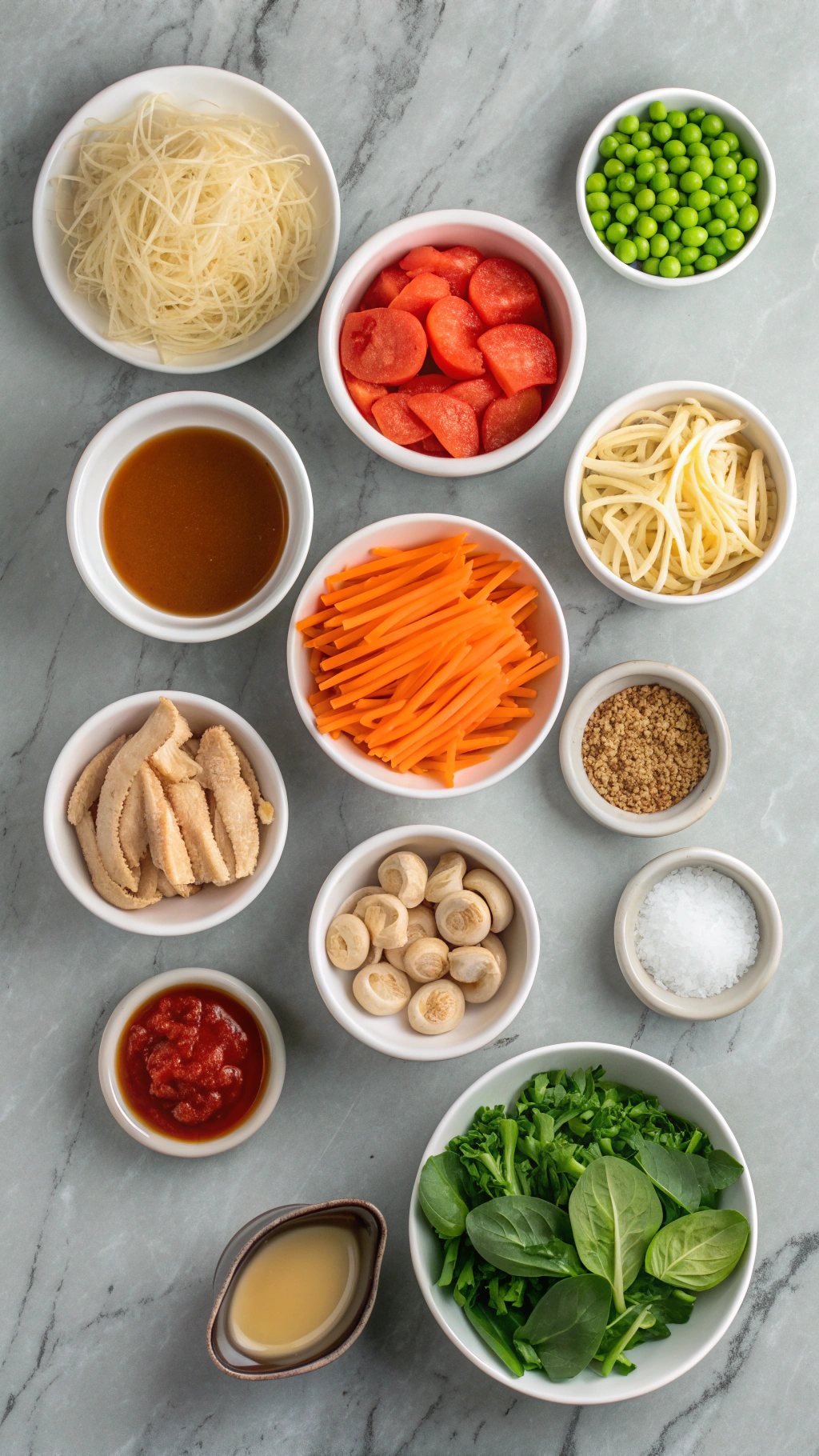
Here is everything you need for a big, slurpable pot of Peanut-y Red Thai Curry Ramen Recipe. I include notes for brands, swaps, and shortcuts so you can use what you already have.
Broth base
- 1 tablespoon neutral oil
- 3 cloves garlic, minced
- Jarred minced garlic works if you feel tired, use 1 to 1½ teaspoons.
- 1 tablespoon fresh ginger, minced or grated
- Use ginger paste from a tube as a shortcut, same amount.
- 2 to 3 tablespoons red Thai curry paste
- I like Mae Ploy or Thai Kitchen. Start with 2 tablespoons for mild and add more for extra heat.
- 4 cups low-sodium chicken broth or vegetable broth
- Low-sodium broth gives you more control over salt. Use veggie broth for a vegetarian ramen.
- 1 can (13.5 to 14 ounces) full-fat coconut milk
- Full-fat gives a richer broth. Light coconut milk works but tastes less creamy.
- 2 to 3 tablespoons creamy peanut butter
- Use smooth peanut butter, not natural that separates heavily, or whisk natural very well. Avoid flavored or sweetened peanut butter spreads.
Seasoning and flavor boosters
- 1 to 2 tablespoons soy sauce or tamari
- Tamari keeps it gluten free. Start with 1 tablespoon and adjust to taste.
- 1 tablespoon fish sauce (optional but tasty)
- This adds depth and umami. Skip for vegetarian and add a bit more soy sauce.
- 1 to 2 teaspoons brown sugar or coconut sugar
- This balances the spice and salt. Taste and adjust at the end.
- Juice of 1 lime, plus extra wedges for serving
- Fresh lime brightens the rich broth.
- ½ to 1 teaspoon chili garlic sauce or sriracha (optional)
- Use this if you enjoy extra heat.
Noodles and protein
- 8 to 10 ounces ramen noodles
- Use fresh ramen, dried ramen, or instant ramen without the seasoning packet. You can also use rice noodles if you prefer.
- 8 to 12 ounces protein of choice
- Thinly sliced chicken thighs or breast, shrimp, tofu cubes, or leftover rotisserie chicken all work. Use firm or extra-firm tofu and pat it dry.
- 1 tablespoon cornstarch (optional, for chicken or tofu)
- Toss chicken or tofu in cornstarch for a light crust and better browning.
Vegetables and toppings
Pick a mix of color and crunch. Use what you have in the fridge.
- 1 red bell pepper, thinly sliced
- 1 to 2 cups baby spinach or chopped kale
- 1 cup shredded carrots or matchstick carrots
- 1 cup sliced mushrooms (shiitake, cremini, or button)
- 2 to 3 green onions, thinly sliced
- Fresh cilantro, chopped
- Fresh basil (Thai basil if you find it, regular basil if not)
- ½ cup bean sprouts (optional)
- ¼ cup roasted peanuts, chopped
- Soft-boiled or jammy eggs (1 per bowl, optional)
- Thinly sliced fresh red chili or jalapeño (optional, for heat)
Pantry shortcuts and brand notes
- Use store-bought red curry paste to save time. Taste different brands once and note which one you prefer because heat levels vary.
- Use shelf-stable ramen or instant ramen bricks from any grocery store. Toss the seasoning packet and use only the noodles.
- Use pre-shredded carrots and pre-sliced mushrooms to cut prep time. Bagged baby spinach drops right into the pot.
Equipment list
- Large heavy pot or Dutch oven
- Cutting board and sharp knife
- Wooden spoon or spatula
- Measuring cups and spoons
- Small saucepan for eggs (if using)
- Tongs or chopsticks for handling noodles
- Ladle for serving
Tips & Mistakes
This Peanut-y Red Thai Curry Ramen Recipe tastes incredible when you treat a few small details with care.
- Taste your red curry paste before you add a ton, because some brands hit way hotter than others.
- Sauté the curry paste in oil with garlic and ginger for 1 to 2 minutes so the flavors bloom and taste deeper, not raw.
- Stir peanut butter into warm broth, not cold liquid, so it melts smoothly and does not clump on your spoon.
- Keep the broth at a gentle simmer and avoid a hard boil so the coconut milk stays creamy and does not look grainy.
- Cook the noodles just until tender, then serve right away, because they soak up broth and turn mushy if they sit too long.
- Slice chicken or beef thinly against the grain so it cooks quickly and stays tender in the hot broth.
- Add tender veggies like spinach and bean sprouts at the end so they stay bright and do not turn soggy.
- Salt at the end after soy sauce and fish sauce, because those already add a lot of salt and you avoid an over-salty broth.
- Use a separate pot for eggs so you control the timing and keep the ramen broth free of stray egg bits.
- Chill leftovers quickly and store noodles and broth separately when possible so the noodles keep a better texture.
How to Make Peanut-y Red Thai Curry Ramen
1: Prepare the ingredients
- Mince the garlic.
- Grate or mince the ginger.
- Slice the green onion.
- Rinse and chop any vegetables you use, like bell pepper, mushrooms, and greens.
- Slice your protein into bite-size pieces if you cook it in the broth.
- Crack the egg into a small bowl (optional, beat it lightly if you want to swirl it in, or leave whole for poaching).
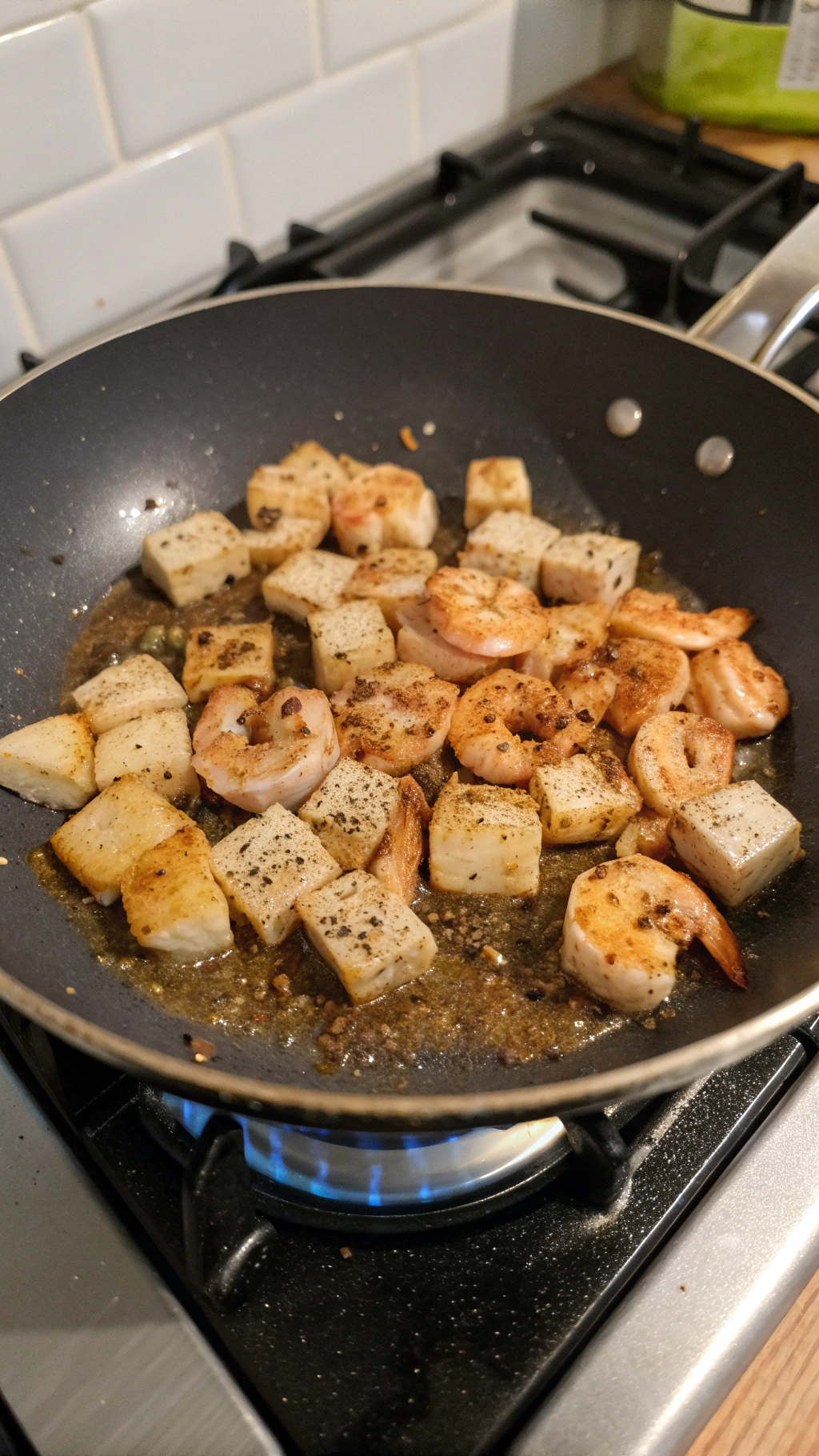
2: Brown or sear the protein (optional but tasty)
- Pat chicken, shrimp, or tofu dry with paper towels so they brown instead of steam.
- Toss chicken or tofu with a pinch of salt and cornstarch if you want a light crust.
- Heat 1 tablespoon oil in your pot over medium-high heat.
- Add the protein and cook until it browns on the outside and cooks through, about 4 to 6 minutes for thin chicken slices, 3 to 4 minutes for shrimp, or 6 to 8 minutes for tofu cubes.
- Transfer the cooked protein to a plate and keep it nearby while you build the broth.
3: Build the flavor base
- Lower the heat to medium and add a tiny splash more oil if the pot looks dry.
- Add minced garlic and ginger and stir for about 30 seconds until they smell fragrant.
- Spoon in the red Thai curry paste and stir it into the oil, garlic, and ginger.
- Cook this mixture for 1 to 2 minutes while you stir, so the curry paste toasts slightly and deepens in flavor.
4: Add liquids and peanut butter
- Pour in the chicken or vegetable broth while you stir and scrape up any browned bits from the bottom of the pot.
- Add the coconut milk and stir until the broth looks smooth and creamy.
- Scoop in the peanut butter and whisk or stir until it dissolves into the hot liquid.
- Add soy sauce, fish sauce if you use it, and brown sugar.
- Bring the pot to a gentle simmer over medium heat, not a rolling boil.
5: Simmer and adjust seasoning
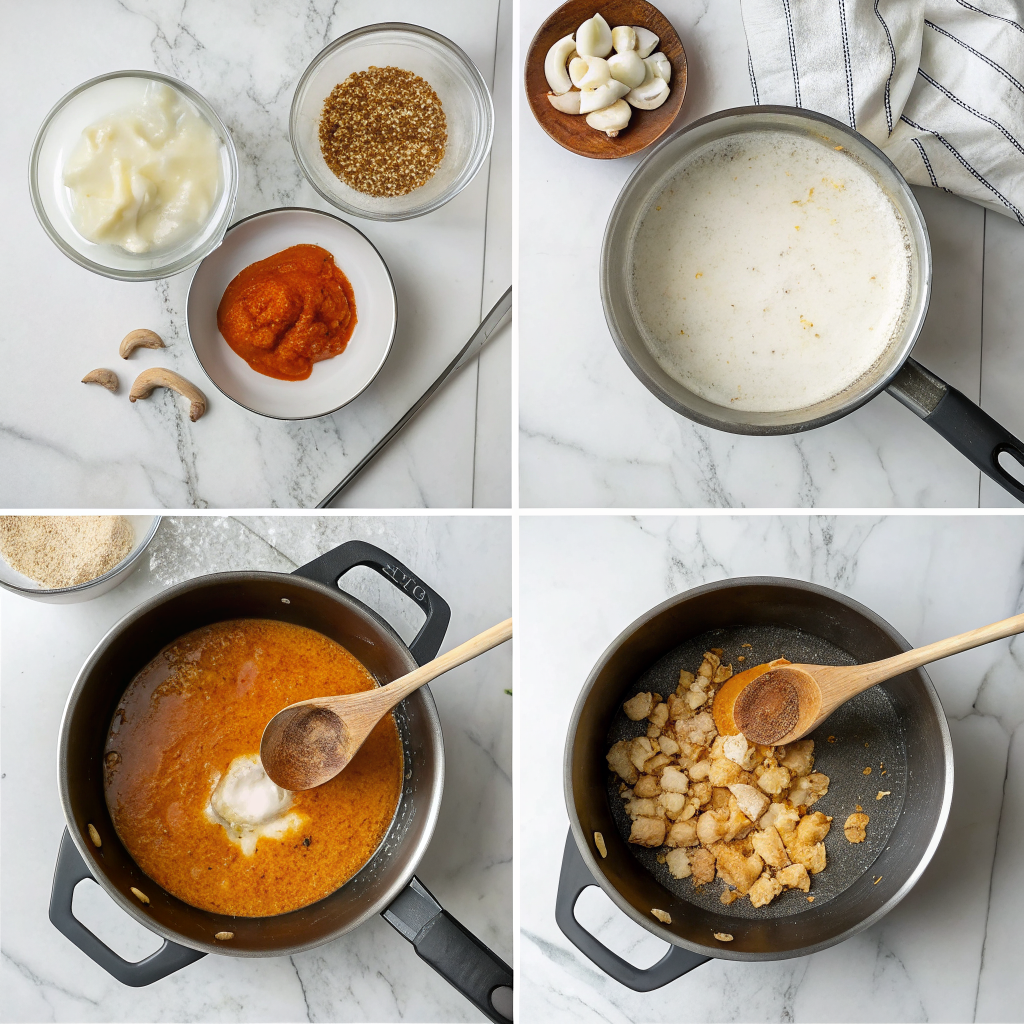
- Let the broth simmer for about 5 to 10 minutes so the flavors blend.
- Taste the broth and adjust with more soy sauce for salt, more sugar for balance, or more curry paste for heat.
- Squeeze in the juice of one lime and stir.
- Add chili garlic sauce or sriracha if you want extra spice.
6: Cook the noodles and veggies
You can cook noodles in the broth or in a separate pot. I prefer the broth so the noodles soak up flavor.
- Add sliced bell pepper and mushrooms to the simmering broth and cook for 3 to 4 minutes.
- Add ramen noodles directly to the pot and cook according to package directions, usually 3 to 4 minutes, until just tender.
- Stir gently so the noodles separate and do not stick.
- Add spinach or kale in the last minute of cooking so it wilts but stays bright.
- If you cooked the protein earlier, slide it back into the pot now and warm it through for 1 to 2 minutes.
7: Cook eggs (optional)
For jammy eggs:
- Bring a small saucepan of water to a boil.
- Lower cold eggs into the water gently and cook for 6½ to 7 minutes.
- Transfer the eggs to an ice bath and cool for a few minutes.
- Peel carefully and slice in half right before serving.
For an egg swirl in the soup:
- Beat one egg in a small bowl.
- With the broth at a gentle simmer, stir the soup in one direction and slowly drizzle in the egg.
- Stir lightly to form ribbons and cook for 1 to 2 minutes.
8: Garnish
- Turn off the heat and taste the broth one more time. Adjust lime, salt, or spice if needed.
- Ladle noodles, veggies, and broth into deep bowls.
- Top each bowl with sliced green onions, cilantro, basil, chopped peanuts, and a jammy egg if you use it.
- Add lime wedges and extra chili sauce on the side so everyone can customize their bowl.
Variations I’ve Tried
I swap the protein often and enjoy how this Peanut-y Red Thai Curry Ramen Recipe changes character each time. Chicken thighs give a richer, more comforting bowl, while shrimp keeps it light and quick. Crispy tofu with extra veggies turns it into a hearty vegetarian ramen that still tastes super satisfying.
I also switch up the noodles. Chewy fresh ramen noodles feel restaurant-level, but instant ramen bricks work great and keep the cost low. Rice noodles turn it into a gluten free Thai curry ramen hybrid that still tastes peanut-y and cozy.
Some nights I lean into the Thai curry side and add more veggies like zucchini, snap peas, or baby corn. Other nights I keep it simple with just mushrooms and spinach and focus on toppings like extra peanuts and herbs. You can also stir in a spoonful of miso paste at the end for extra umami, which tastes amazing with the peanut and coconut.
How to Serve Peanut-y Red Thai Curry Ramen
Serve Peanut-y Red Thai Curry Ramen Recipe in deep, wide bowls so the noodles and toppings have room. Pile the noodles in the center, then spoon extra broth around them and tuck the protein and veggies along the sides. Top with herbs, chopped peanuts, lime wedges, and a soft-boiled egg for that restaurant-style look. Pair it with a crisp cucumber salad, simple steamed edamame, or even a cold beer or iced tea to balance the warm, spicy broth.
Make-Ahead
This Peanut-y Red Thai Curry Ramen Recipe works nicely for meal prep if you store the components smartly. Keep the broth and veggies in one airtight container in the fridge for up to 3 days, and store cooked noodles separately so they do not soak up all the liquid. Reheat the broth gently on the stove over medium-low heat until it steams, then add the noodles and protein just long enough to warm through. For the freezer, cool the broth completely, store it without noodles in a freezer-safe container for up to 2 months, then thaw in the fridge overnight and cook fresh noodles when you feel like a hot, peanut-y curry ramen night.

Peanut-y Red Thai Curry Ramen
Ingredients
Instructions
- Heat the oil in a large pot over medium heat. Add the sliced onion and cook, stirring occasionally, until softened and lightly golden, about 5 minutes.
- Stir in the minced garlic and ginger and cook until fragrant, about 1 minute.
- Add the red Thai curry paste and cook, stirring, for 1 to 2 minutes to bloom the spices.
- Whisk in the peanut butter, coconut milk, and vegetable broth until smooth and well combined.
- Stir in the soy sauce and brown sugar. Bring the mixture to a gentle simmer.
- Add the bell pepper and shredded carrots. Simmer for 5 to 7 minutes, until the vegetables are just tender.
- Add the ramen noodles to the pot and cook according to package directions, usually 3 to 4 minutes, until the noodles are just tender.
- Stir in the spinach or bok choy and cook for 1 to 2 minutes, just until wilted. Remove the pot from the heat.
- Stir in the lime juice, then taste and adjust with additional salt, pepper, or soy sauce as needed. If you like more heat, add a splash of sriracha or chili sauce.
- Ladle the curry ramen into bowls and top with chopped cilantro and roasted peanuts if desired. Serve hot.
Notes
Approximate per serving (1/4 of recipe): 540 calories; fat 31 g; saturated fat 16 g; carbohydrates 53 g; fiber 5 g; sugars 10 g; protein 15 g; sodium 1320 mg. Values are estimates and will vary based on specific brands of curry paste, broth, peanut butter, and noodles used, as well as any additional toppings or protein additions.