
Sourdough Discard Sandwich Bread Recipe gives you a soft, tall loaf with a thin, chewy crust and that gentle tang everyone loves in a grilled cheese. It uses budget-friendly pantry staples and turns leftover sourdough discard into something that tastes like a bakery loaf without the bakery price. If you want a simple everyday bread for toast, kids’ lunches, or meal prep in about 3 hours total, this one fits perfectly, and I bake it weekly in my tiny apartment kitchen.
Reasons To Try This Sourdough Discard Sandwich Bread Recipe
This sourdough discard sandwich bread recipe gives you the flavor of sourdough with the texture of classic sandwich bread. The crumb stays soft and tender, slices cleanly, and holds up to everything from peanut butter to big stacked sandwiches.
You also use starter discard that might otherwise go in the trash, which saves money and reduces waste. The recipe uses basic ingredients, no special flour, and only one loaf pan, so beginners feel comfortable and experienced bakers still enjoy the flavor payoff.
“This Sourdough Discard Sandwich Bread Recipe tastes like a bakery loaf, slices like a dream, and disappears in one afternoon at my house. ★★★★★”
Ingredients You Need
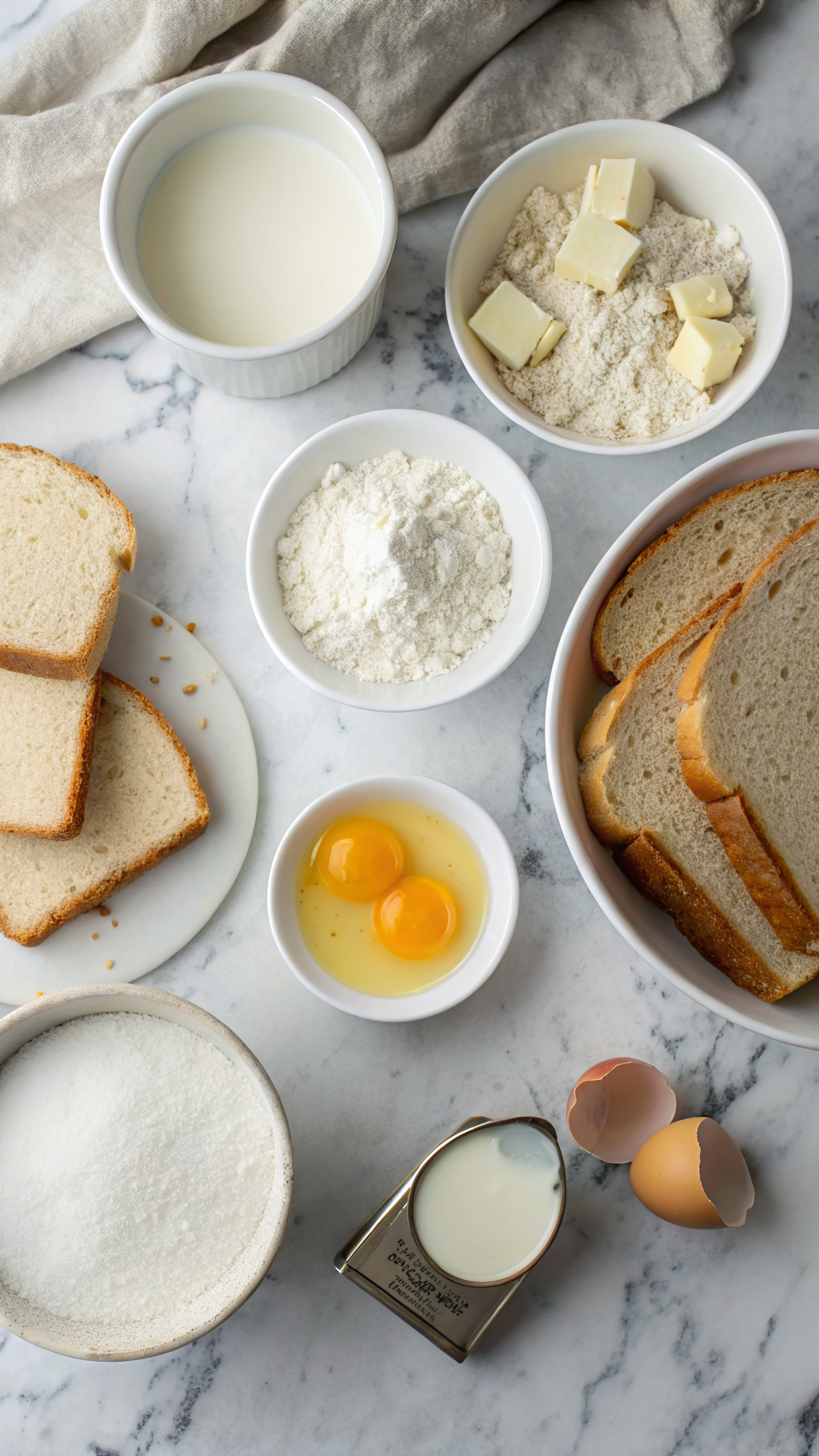
One 9×5 inch loaf:
- 1 cup active sourdough discard, stirred (240 g, 100 percent hydration)
- 1 cup warm water, about 100 to 105°F (240 g)
- 3 tablespoons granulated sugar or honey (use honey for deeper flavor)
- 2 teaspoons instant yeast or rapid rise yeast
- 3 tablespoons neutral oil or melted butter (canola, avocado, or light olive oil work well)
- 3 1/2 to 4 cups bread flour (420 to 480 g; use all purpose if needed, but bread flour gives more structure)
- 1 1/2 teaspoons fine sea salt
Pantry shortcuts and notes:
- Use all purpose flour if you do not keep bread flour; reduce water by 1 to 2 tablespoons if the dough feels sticky.
- Swap sugar with brown sugar for a hint of molasses flavor.
- Use coconut sugar if you want a less refined option, though the loaf will look a bit darker.
- Use olive oil for a slightly fruity note or stick with neutral oil for a classic sandwich flavor.
Substitutions:
- Use up to 1 cup whole wheat flour by replacing 1 cup of the bread flour; add 1 tablespoon extra water if the dough feels stiff.
- Use dairy free butter or oil to keep the loaf dairy free.
- Use active dry yeast instead of instant yeast; bloom it in the warm water with the sugar for 5 to 10 minutes until foamy, then proceed.
Equipment list:
- Large mixing bowl
- Sturdy wooden spoon or dough whisk
- Kitchen scale for best accuracy, or measuring cups and spoons
- 9×5 inch loaf pan (metal or glass)
- Plastic wrap, clean towel, or reusable cover
- Bench scraper or rubber spatula
- Cooling rack
- Instant read thermometer (optional, but helpful for checking doneness)
Tips
- Feed your starter the night before and save the discard in the fridge so it tastes pleasantly tangy, not harsh.
- Use warm water that feels like a hot bath, not scalding, to keep yeast happy.
- Add flour gradually and stop when the dough feels soft, slightly tacky, and smooth.
- Knead until the dough stretches without tearing; aim for a smooth, elastic ball.
- Grease the loaf pan well, especially the corners, so the loaf pops out cleanly.
- Let the dough rise in a warm, draft free spot, like inside an unheated oven with the light on.
- Check the loaf near the end of baking and tent with foil if the top browns too quickly.
- Cool the bread completely before slicing for neat slices and a soft crumb.
How to Make Sourdough Discard Sandwich Bread
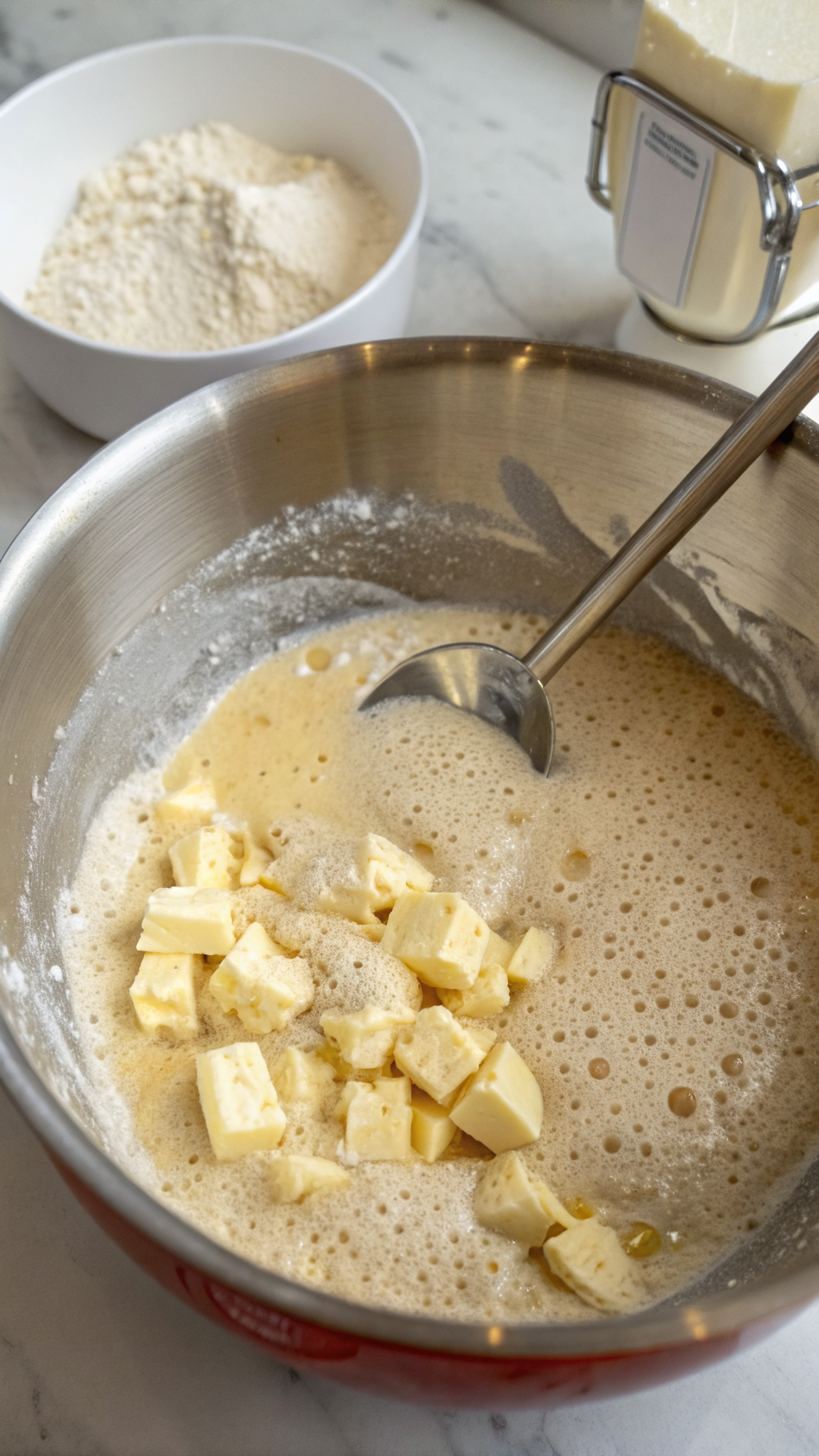
Mix the wet ingredients
Pour the warm water into a large mixing bowl. Stir in the sugar or honey until it dissolves. Add the sourdough discard and whisk until the mixture looks mostly smooth and milky.
Sprinkle in the instant yeast and give it a quick stir. Let the mixture sit for about 5 minutes so the yeast wakes up and tiny bubbles start to show. Add the oil or melted butter and stir again.
Bring the dough together
Add 3 cups of the flour and the salt to the bowl. Stir with a wooden spoon or dough whisk until a shaggy dough forms and no dry pockets of flour remain. Add more flour 2 tablespoons at a time until the dough pulls away from the sides of the bowl and feels soft and slightly tacky.
Turn the dough out onto a lightly floured surface. Scrape the bowl so you do not leave any dough behind. Dust your hands with a little flour to keep the dough from sticking.
Knead until smooth and elastic
Knead the dough by pushing it away from you with the heel of your hand, then folding it back over itself and turning it a quarter turn. Continue this rhythm for about 8 to 10 minutes. Add tiny sprinkles of flour only if the dough sticks badly to the counter.
Stop kneading when the dough feels bouncy and smooth and stretches without tearing when you pull a small piece. Shape it into a tight ball by tucking the edges under. The surface should look smooth and slightly springy.
First rise
Lightly oil a clean bowl and place the dough ball inside, smooth side up. Turn the dough once so it picks up a light coat of oil. Cover the bowl with plastic wrap, a lid, or a clean towel.
Set the bowl in a warm spot and let the dough rise until it doubles in size, about 60 to 90 minutes depending on room temperature and yeast strength. Press two fingers gently into the dough; if the indent springs back slowly and not all the way, the dough reached the right point.
Shape the loaf
Punch the dough down gently to release extra gas. Turn it out onto a lightly floured surface and pat it into a rectangle about 8 inches wide and 12 inches long. Keep the short side facing you.
Roll the dough up tightly from the short end, like a jelly roll, and pinch the seam closed. Tuck the side edges under slightly to form a snug log. Place the log seam side down into a greased 9×5 inch loaf pan.
Second rise
Cover the loaf pan loosely with plastic wrap or a towel. Let the dough rise again in a warm spot until it crowns about 1 inch above the rim of the pan, about 45 to 60 minutes. The dough should look puffy and light.
Gently poke the side of the loaf with a fingertip; if the indent springs back slowly and leaves a slight mark, it reached the right point for baking. If it springs back quickly, give it another 10 to 15 minutes. If it collapses, you let it rise too long, so bake it right away next time when it looks slightly less puffy.
Bake the bread
Preheat your oven to 375°F while the loaf finishes rising. Place the loaf pan on the middle rack. Bake for 30 to 35 minutes until the top looks deep golden brown.
Check the internal temperature with an instant read thermometer; aim for 190 to 195°F in the center. If the top browns too fast, tent it loosely with foil for the last 10 minutes. The loaf should sound hollow when you tap the bottom.
Cool and slice
Remove the pan from the oven and set it on a cooling rack. Run a knife around the edges if needed, then gently turn the loaf out of the pan. Place the loaf on the rack on its side and let it cool completely, at least 1 to 2 hours.
Slice with a sharp serrated knife. Cut thick slices for toast and French toast or thinner slices for sandwiches. Store the sliced loaf as directed below so it stays soft and fresh.
Different Ways to Try It
- Gluten free version: Use a 1 to 1 gluten free bread flour blend that includes xanthan gum, and add 1 extra teaspoon of yeast; the dough will feel more like thick batter, so scoop it into the pan instead of shaping.
- Vegan loaf: Use oil instead of butter and sugar or maple syrup instead of honey, and grease the pan with oil.
- Low carb twist: Replace 1 cup of flour with fine almond flour and add 1 tablespoon vital wheat gluten to help structure; expect a denser loaf but still sliceable.
- Herb and garlic loaf: Add 2 teaspoons dried Italian herbs and 1 teaspoon garlic powder to the flour for a savory sandwich bread.
- Seeded top: Brush the risen loaf with a little water or milk and sprinkle sesame seeds, poppy seeds, or sunflower seeds before baking.
- Cinnamon swirl: Roll the dough with a mixture of 1/4 cup sugar and 1 tablespoon cinnamon for a breakfast style sourdough discard sandwich bread recipe.
How to Serve Sourdough Discard Sandwich Bread
Use this sourdough discard sandwich bread recipe for classic sandwiches like turkey and cheese, BLTs, or veggie stacks with hummus and crunchy cucumbers. Toast slices and top them with avocado, fried eggs, or peanut butter and banana for quick breakfasts. Cut thick slices for French toast or bread pudding when the loaf reaches day two or three. Serve it alongside soups, stews, or big salads for a simple, cozy meal.
Make-Ahead and Storage Success
Let the loaf cool completely, then store it at room temperature in a bread box, large zip top bag, or wrapped in foil for up to 3 days. For longer storage, slice the bread, place parchment between stacks, and freeze in a freezer bag for up to 3 months. Toast slices straight from the freezer or let them thaw on the counter for 20 to 30 minutes. If the crust softens over time, refresh slices in a toaster or warm oven to bring back that just baked texture.
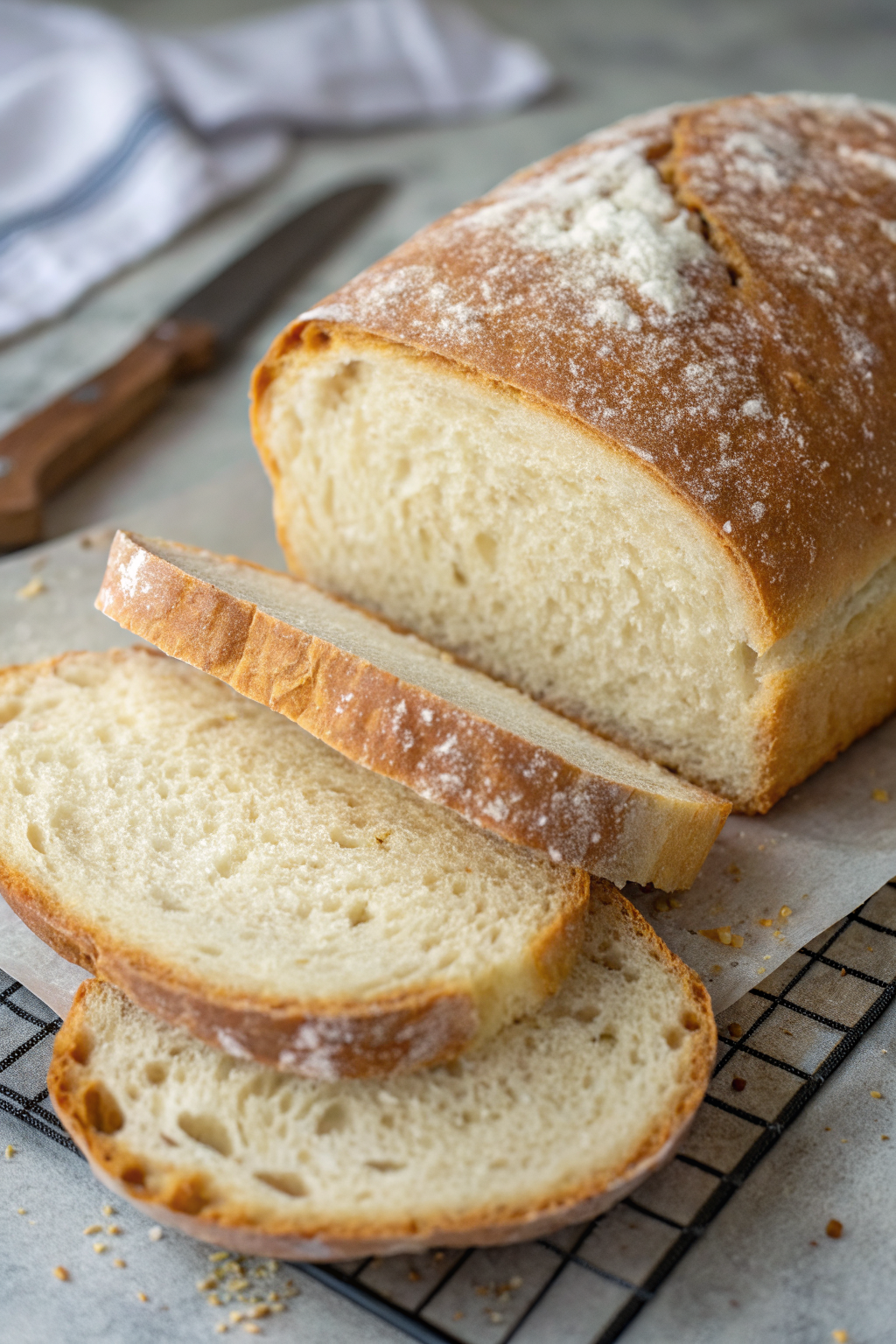
Sourdough Discard Sandwich Bread
Ingredients
Instructions
- In a large mixing bowl, whisk together the sourdough discard, warm water, sugar, and yeast. Let sit for 5–10 minutes until foamy if using active dry yeast.
- Add the bread flour, salt, and softened butter to the bowl. Mix until a shaggy dough forms, then turn out onto a lightly floured surface.
- Knead the dough for 8–10 minutes, adding small amounts of flour as needed, until smooth, elastic, and only slightly tacky.
- Place the dough in a lightly oiled bowl, cover, and let rise in a warm place until doubled in size, about 60–90 minutes.
- Punch down the risen dough and shape it into a tight loaf. Place it seam-side down into a greased 9×5-inch loaf pan.
- Cover the pan and let the dough rise again until it crowns about 1 inch over the rim of the pan, 45–60 minutes.
- Near the end of the second rise, preheat the oven to 375°F (190°C). Brush the top of the loaf with beaten egg if using for a shiny crust.
- Bake for 30–35 minutes, or until the top is deep golden brown and the internal temperature reaches about 195–200°F (90–93°C).
- Remove the bread from the pan and cool completely on a wire rack before slicing to maintain a soft, even crumb.
Notes
Approximate per 1 slice (1/12 loaf): 170 calories; fat 3 g; saturated fat 1.5 g; carbohydrates 30 g; fiber 1 g; sugars 3 g; protein 6 g; sodium 260 mg. Values will vary based on specific ingredients, brands, and portion size.