
Dutch Baby German Pancakes Recipe tastes like a cross between custard and a fluffy popover with crisp, buttery edges and a soft, eggy center. It works perfectly for busy mornings or lazy brunches, since you mix everything in 5 minutes and pull it from the oven in about 20. I have baked more Dutch babies than I can count, and my kids still race each other to the table when they hear the skillet hit the oven rack.
Dutch Baby German Pancakes Recipe
You mix this batter in one bowl, toss it in a hot skillet, and the oven does the rest while you sip coffee. No flipping, no babysitting, and everyone eats at the same time instead of in pancake shifts.
You also control the sweetness, toppings, and ingredients. That helps if you cook for picky eaters, dairy sensitive folks, or people who want something special without restaurant prices.
This Dutch Baby German Pancakes Recipe puffed up beautifully, tasted rich and custardy, and disappeared in under 5 minutes at our brunch table ★★★★★
Ingredients You Need
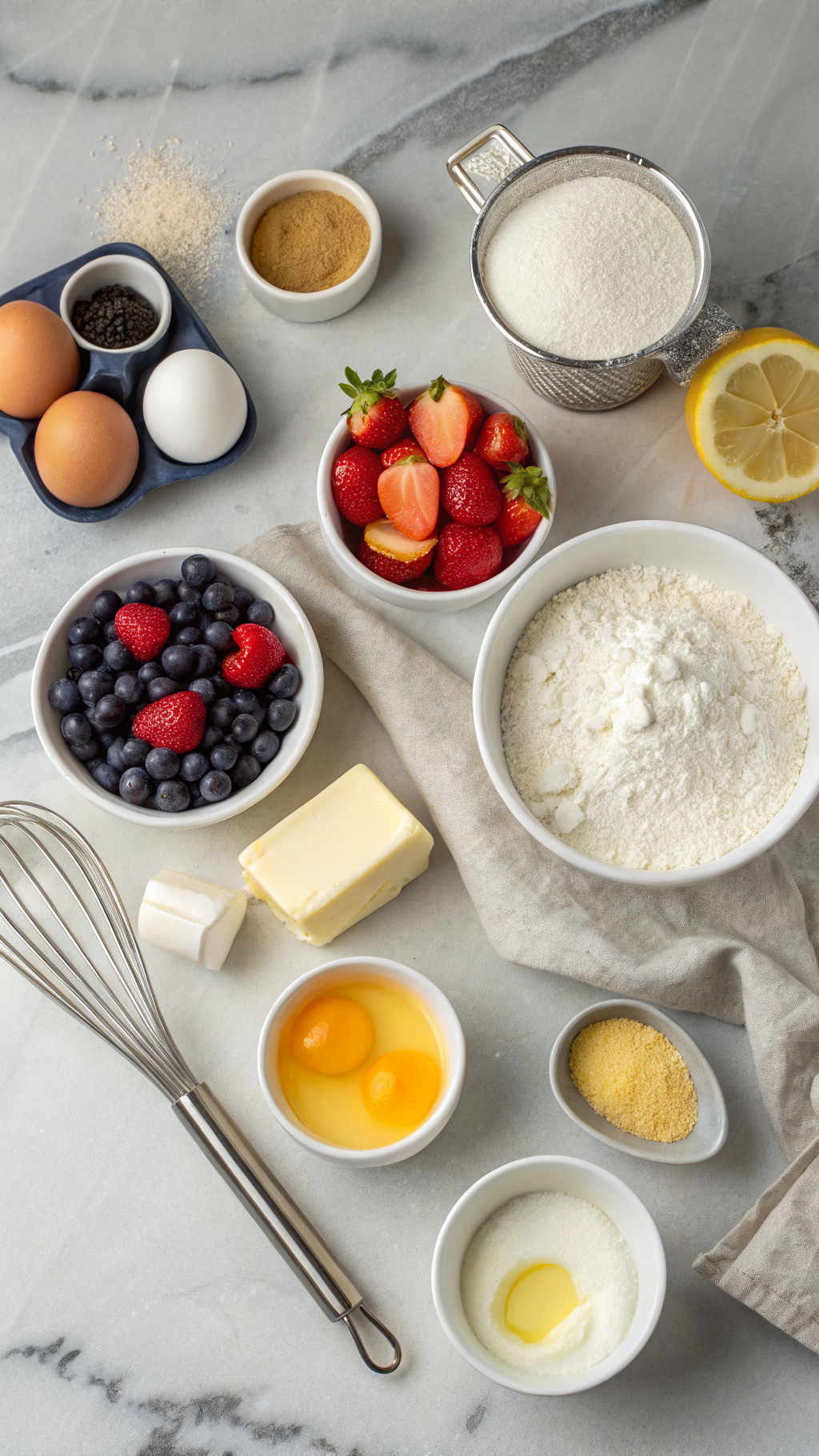
Batter ingredients
- 3 large eggs, room temperature
- 1/2 cup all purpose flour
- Use a good quality unbleached flour if possible, it gives a slightly better texture.
- 1/2 cup whole milk, room temperature
- Use 2 percent in a pinch, but whole milk gives richer flavor.
- Swap with unsweetened almond milk for a lighter version, though it will puff a bit less.
- 2 tablespoons granulated sugar
- Use cane sugar or regular white sugar, both work fine.
- 1 teaspoon pure vanilla extract
- I like Nielsen-Massey or Costco vanilla for strong flavor.
- 1/4 teaspoon fine sea salt
For the skillet
- 3 tablespoons unsalted butter
- Use real butter, not margarine, so the edges brown and crisp properly.
Optional toppings
Mix and match these to fit your crowd.
- Powdered sugar for dusting
- Fresh berries such as strawberries, blueberries, raspberries, or blackberries
- Sliced bananas or peaches
- Maple syrup or honey
- Lemon wedges with extra sugar for a classic German pancake style
- Greek yogurt or whipped cream
- Nutella or peanut butter for a dessert style version
Pantry shortcuts and substitutions
- Use pre-sifted flour to avoid lumps and skip extra sifting.
- Use shelf stable milk if you keep it in the pantry, just bring it to room temperature first.
- Use bottled lemon juice if you do not have fresh lemons, though fresh tastes brighter.
- Use powdered sugar from a store brand, it works just as well as name brands here.
Equipment list
- 10 or 11 inch oven safe skillet
- Cast iron works best for a tall puff and crisp edges.
- Blender or mixing bowl with whisk
- A blender gives a super smooth batter, but a whisk and a bit of elbow grease work fine.
- Oven mitts that cover your wrists
- Rubber spatula
- Cooling rack or trivet for the hot skillet
- Sifter or fine mesh strainer for powdered sugar
Tips & Mistakes
- Preheat the skillet in the oven so the batter hits a hot surface and puffs high.
- Bring eggs and milk to room temperature so the batter blends smoothly and rises better.
- Blend or whisk the batter until no flour lumps remain, but stop before it turns super frothy.
- Do not overmix for several minutes, or the gluten tightens and the texture turns chewy.
- Measure flour correctly by spooning it into the cup and leveling, so the pancake stays tender.
- Keep the oven door closed while it bakes, since opening it drops the heat and deflates the puff.
- Place the skillet on the center rack so the Dutch baby rises evenly and does not burn on top.
- Swirl the melted butter around the skillet quickly so it coats the sides and prevents sticking.
- Pour the batter into the hot skillet right away so the heat starts the puffing action.
- Serve the pancake immediately after baking, because it starts to fall within a few minutes.
How to Make Dutch Baby German Pancakes
Step 1: Preheat the oven and skillet
Set your oven to 425°F and place a 10 or 11 inch cast iron or oven safe skillet on the middle rack.
Heat the skillet while the oven preheats so it gets very hot.
This step sets you up for that dramatic puff and crisp edges.
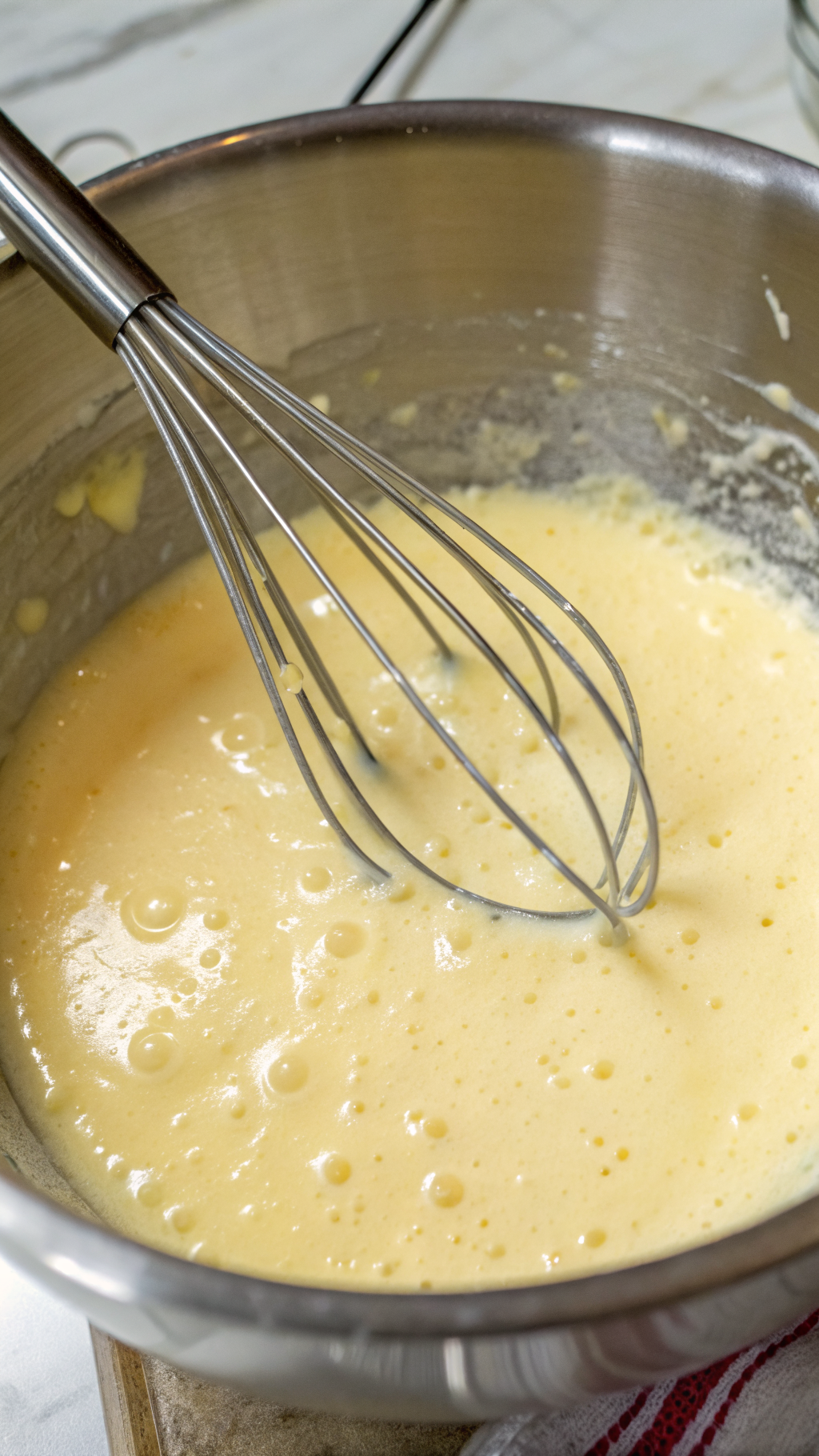
Step 2: Mix the batter
Add eggs, milk, flour, sugar, vanilla, and salt to a blender.
Blend for about 20 to 30 seconds until the batter looks smooth and slightly thin.
If you use a bowl, whisk the eggs first, then add milk, then whisk in flour, sugar, vanilla, and salt until no lumps remain.
Let the batter rest on the counter for about 5 to 10 minutes while the oven finishes heating.
This short rest lets the flour hydrate and gives a nicer texture.
Use that time to prep toppings and set the table.
Step 3: Add butter to the hot skillet
Carefully pull the hot skillet from the oven and place it on a heat safe surface.
Add the butter to the skillet and swirl it around until it melts and coats the bottom and sides.
Work quickly so the butter does not burn, but let it sizzle a bit for flavor.
Step 4: Pour and bake
Give the batter a quick stir or pulse, then pour it straight into the hot, buttered skillet.
Return the skillet to the oven right away and close the door.
Bake for 15 to 20 minutes until the Dutch baby puffs high, the edges turn deep golden brown, and the center looks set but still slightly custardy.
Step 5: Garnish
Turn off the oven and pull the skillet out carefully with good oven mitts.
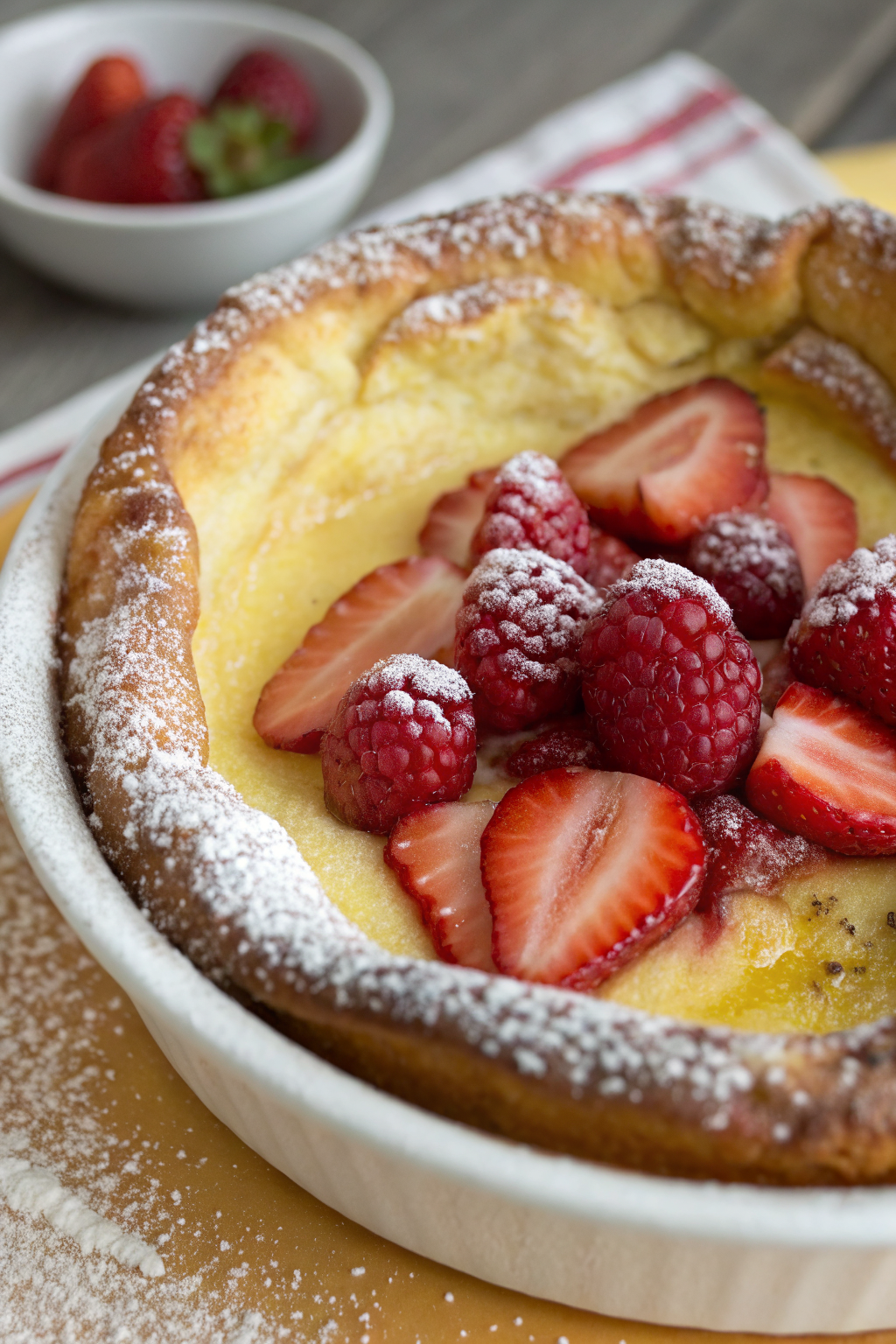
Dust the top with powdered sugar, then add berries, sliced fruit, or your favorite toppings.
Slice into wedges and serve immediately while it still stands tall and dramatic.
Variations I’ve Tried
I like a cinnamon sugar Dutch baby, where I add 1 teaspoon cinnamon and an extra tablespoon of sugar to the batter, then finish with more cinnamon sugar on top.
A lemon Dutch baby tastes bright and fresh, with 1 tablespoon lemon zest in the batter and a squeeze of lemon juice over powdered sugar at the table.
For a chocolate version, I swap 2 tablespoons of flour with cocoa powder and sprinkle chocolate chips over the batter right before it goes in the oven.
A savory Dutch baby works great for brunch or breakfast for dinner.
I skip the sugar and vanilla, add 1/4 cup grated Parmesan and some black pepper, then top the baked pancake with sautéed mushrooms, spinach, and a little shredded cheese.
I also like a fall version with thin sliced apples sautéed in butter and brown sugar, then piled on top with a pinch of cinnamon and nutmeg.
How to Serve Dutch Baby German Pancakes
Serve this Dutch Baby German Pancakes Recipe straight from the skillet, cut into wedges like a pizza.
Dust it with powdered sugar, then add fresh berries, sliced bananas, or a spoonful of Greek yogurt for a balanced breakfast.
Drizzle with warm maple syrup or honey for extra sweetness, or go with lemon juice and sugar for a more classic German pancake vibe.
Pair it with scrambled eggs, turkey sausage, or a simple fruit salad to round out the meal.
How to store
- Let leftover Dutch baby cool to room temperature, then cover and store in the fridge for up to 3 days.
- For freezer storage, wrap individual wedges tightly in plastic wrap, then place them in a freezer bag and freeze for up to 2 months.
- Reheat in a 350°F oven or toaster oven for 8 to 10 minutes until warm and slightly crisp again.
- Use the microwave only for quick reheating, about 20 to 30 seconds, since it softens the edges and loses some of that lovely crisp texture.
Dutch Baby German Pancakes Recipe
Ingredients
Instructions
- Preheat the oven to 425°F (220°C). Place a 10-inch oven-safe skillet or cast iron pan in the oven to heat while you prepare the batter.
- In a blender, combine the eggs, flour, milk, granulated sugar, vanilla extract, and salt. Blend until the batter is completely smooth, about 20–30 seconds. Let the batter rest for 5–10 minutes while the oven finishes heating.
- Carefully remove the hot skillet from the oven. Add the butter to the skillet and swirl until fully melted and the bottom and sides are coated.
- Quickly pour the batter into the hot, buttered skillet and immediately return it to the oven.
- Bake for 18–22 minutes, or until the Dutch baby is very puffed, golden brown around the edges, and set in the center. Do not open the oven door during the first 15 minutes of baking.
- Remove from the oven and serve immediately. Dust with powdered sugar and top with lemon wedges or fresh berries, if desired. Cut into wedges at the table.
Notes
Approximate per serving (1/4 of recipe, without toppings): 210 calories; total fat 13 g; saturated fat 7 g; carbohydrates 15 g; fiber 0 g; sugars 4 g; protein 7 g; sodium 230 mg. Values will vary based on brands, toppings, and portion size.