
Tasty Korean Winter Soup Recipe tastes savory, slightly spicy, and deeply comforting, like a hug in a bowl on a cold night. It stays budget-friendly with simple vegetables, tofu, and pantry staples, and it works for busy families, college students, or anyone who wants a cozy meal in about 40 minutes. I tested this version on a snow day while wearing fuzzy socks, so you know I took the comfort factor seriously.
Reasons To Try This Tasty Korean Winter Soup Recipe
This Tasty Korean Winter Soup Recipe brings together soft tofu, tender veggies, and a rich gochujang and garlic broth that warms you from the inside out. You get restaurant-style flavor with grocery store ingredients and no special skills, so it fits weeknights and lazy weekends.
The recipe uses flexible ingredients, so you can clean out the fridge and still get a great pot of soup. It also reheats beautifully, which turns one cooking session into several cozy meals.
“This tasted like my favorite Korean restaurant, but cheaper and faster at home.” – Jenna ★★★★★
Ingredients You Need
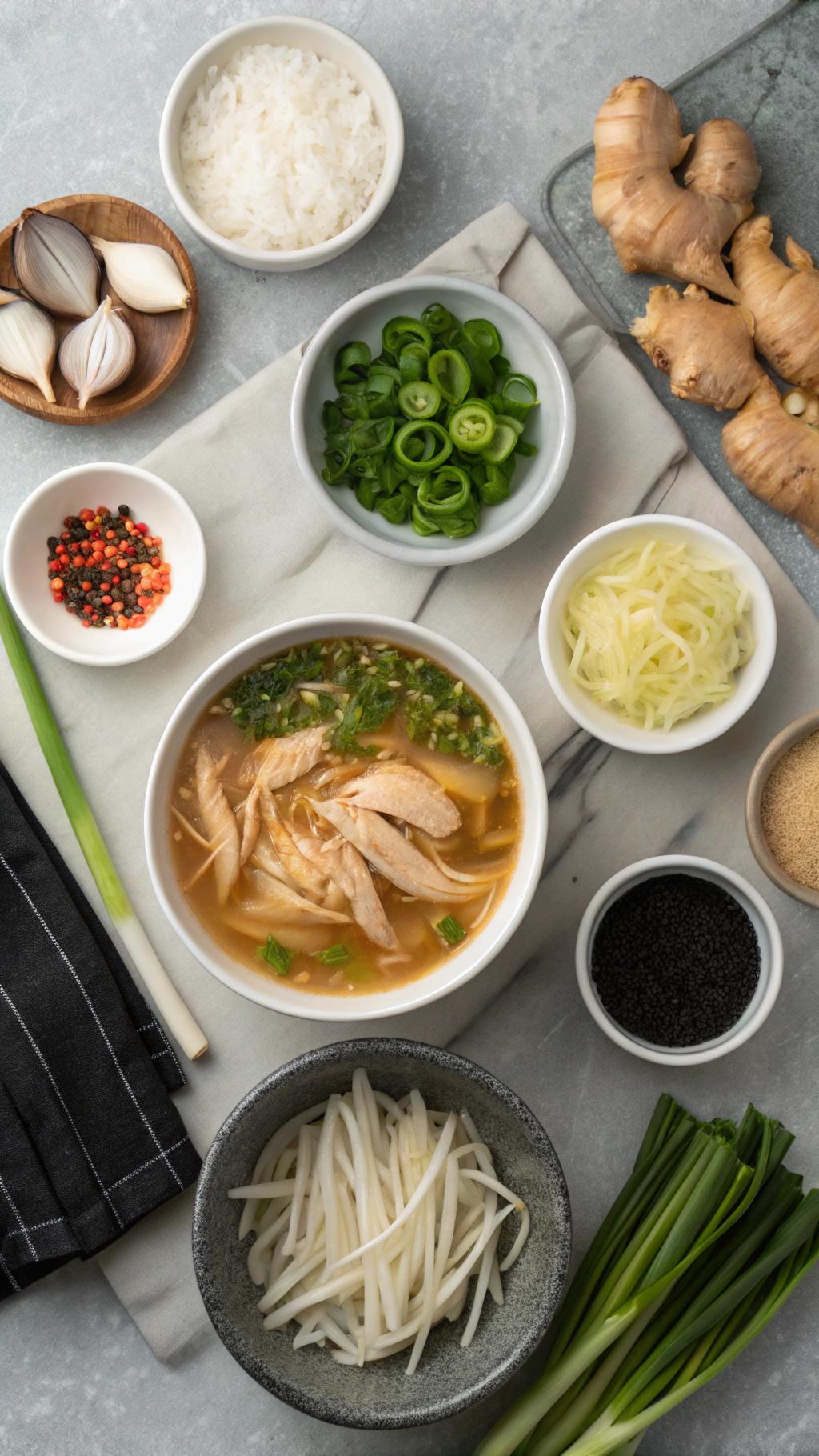
- 1 tablespoon neutral oil (avocado, canola, or light olive oil)
- 1 small yellow onion, thinly sliced
- 2 medium carrots, sliced into thin half moons
- 2 cups napa cabbage, chopped (or green cabbage as a budget swap)
- 1 small zucchini, halved and sliced
- 1 cup mushrooms, sliced (shiitake for classic flavor, or cremini as a cheaper option)
- 3 green onions, sliced, whites and greens separated
- 3 cloves garlic, minced
- 1 tablespoon fresh ginger, minced or grated
- Pantry shortcut: use 1 teaspoon ginger paste from a tube.
Protein and broth
- 1 package soft or silken tofu, cut into cubes
- Use firm tofu if you prefer a chunkier texture that holds shape.
- 4 cups low sodium vegetable broth or chicken broth
- I like Better Than Bouillon for strong flavor on a budget.
- 1 cup water, more as needed to adjust thickness
Korean flavor base
- 2 tablespoons gochujang (Korean red chili paste)
- Choose mild if you want gentle heat; use spicy gochujang for more kick.
- 1 tablespoon gochugaru (Korean red chili flakes)
- Reduce to 1 teaspoon for a milder soup or skip for kids.
- 2 tablespoons low sodium soy sauce or tamari
- Use tamari or coconut aminos for gluten free needs.
- 1 tablespoon toasted sesame oil
- 1 teaspoon sugar or honey to balance the heat
- 1 teaspoon rice vinegar for brightness
- 1 teaspoon kosher salt, plus more to taste
- Freshly ground black pepper to taste
Optional add ins
- 1 small potato, peeled and diced, for a heartier bowl
- 1 cup cooked rice or cooked noodles, added at the end
- 1 cup baby spinach or chopped kale
- 1 sheet roasted seaweed, crumbled on top
- 1 teaspoon fish sauce for extra depth if you eat seafood
Equipment
- Large stock pot or Dutch oven
- Cutting board and sharp knife
- Wooden spoon or heat safe spatula
- Ladle
- Measuring spoons and cups
Tips
- Slice vegetables thin so they cook quickly and stay tender.
- Stir gochujang into a small bowl of warm broth first so it dissolves easily.
- Taste the broth before adding extra salt, since soy sauce already adds plenty.
- Add tofu near the end and stir gently so it does not break apart.
- Keep heat at a gentle simmer, not a hard boil, to keep flavors balanced.
- Adjust spice with gochugaru at the table so everyone gets their perfect heat level.
- Use leftover rice from the fridge and drop it into bowls, then pour soup over it.
- Chill leftovers quickly in shallow containers for better flavor and food safety.
How to Make Korean Winter Soup
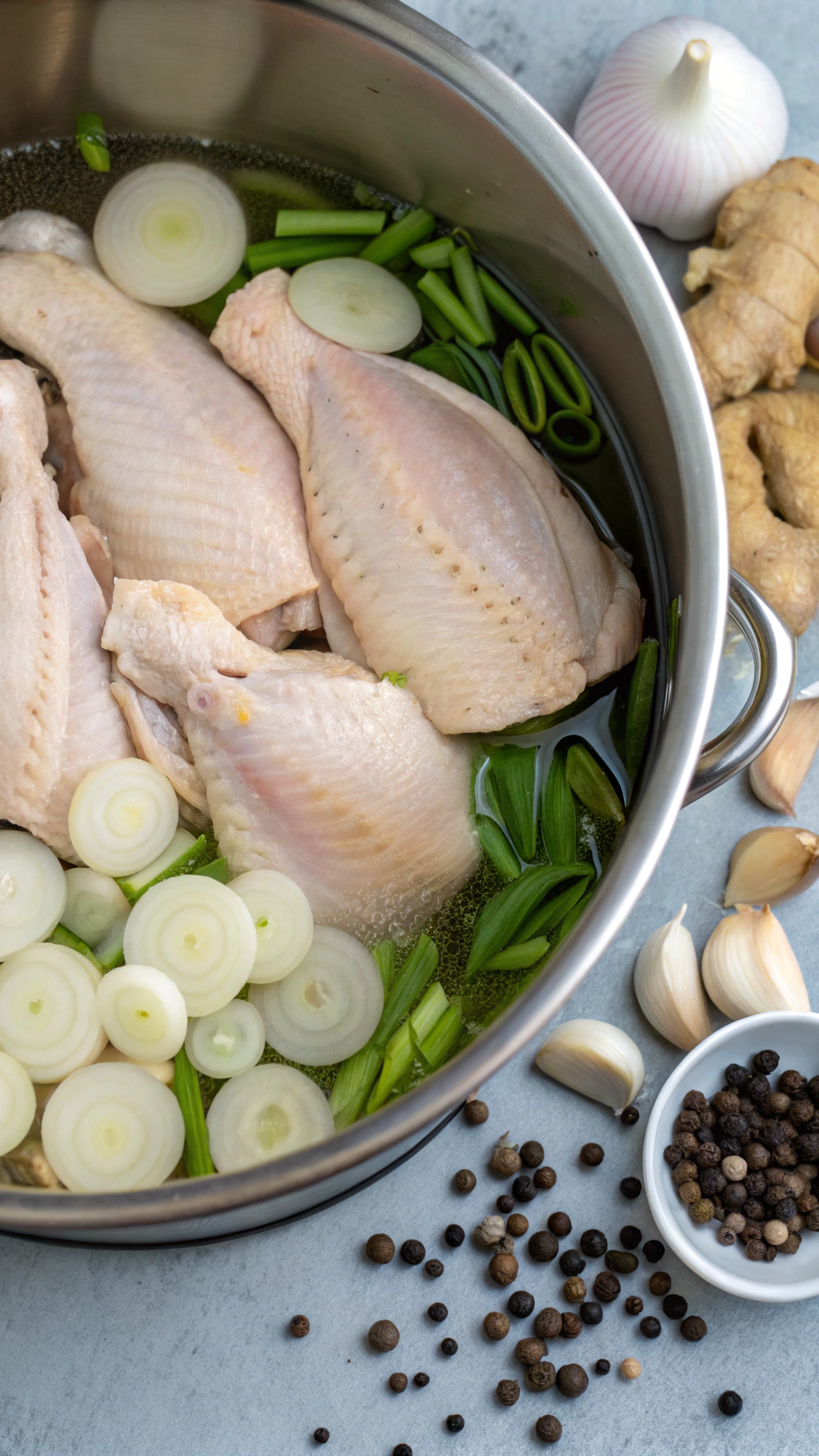
Step 1: Sauté veggies and aromatics
Heat oil in a large stock pot or Dutch oven over medium heat. Add onion and carrots and cook until they soften and turn lightly golden, about 6 to 8 minutes, stirring often. Stir in garlic, ginger, and the white parts of the green onions and cook 1 to 2 minutes, until they smell fragrant and toasty.
Step 2: Build the Korean flavor base
Scoop about 1 cup of the hot broth or water into a small bowl. Whisk in gochujang until it turns smooth and loose, then pour that mixture into the pot. Add gochugaru, soy sauce or tamari, sugar or honey, and black pepper, then stir until everything mixes into a deep red broth.
Step 3: Add vegetables and simmer
Add napa cabbage, zucchini, mushrooms, and any optional potato to the pot. Pour in the remaining broth and water, then bring the soup to a gentle simmer over medium heat. Lower the heat slightly and let it bubble softly for 12 to 15 minutes, until the vegetables turn tender and the flavors taste rich.
Step 4: Add tofu and greens
Slide tofu cubes into the pot and stir very gently. Add spinach or kale if you use them and cook 3 to 5 minutes, just until the greens wilt and the tofu heats through. Stir in sesame oil and rice vinegar, then taste and adjust with more salt, soy sauce, or a pinch of sugar if the broth tastes too sharp.
Step 5: Finish and serve
Turn off the heat and stir in the green parts of the green onions. If you want a thicker, stew-like bowl, let the soup sit for 5 minutes so the tofu and veggies soak up more broth. Ladle the Tasty Korean Winter Soup Recipe into bowls over cooked rice or noodles if you like, then top with extra green onions and crumbled roasted seaweed.
Different Ways to Try It
- Gluten free: Use tamari or coconut aminos instead of soy sauce and check that your gochujang label lists gluten free ingredients.
- Vegan: Use vegetable broth and skip fish sauce.
- Low carb: Skip rice and noodles and load up on mushrooms, zucchini, and cabbage.
- Extra protein: Add sliced cooked chicken, shrimp, or more tofu cubes.
- Mild version: Use less gochugaru and choose mild gochujang, then add chili oil at the table for spice lovers.
- Extra hearty: Add diced potato and a handful of cooked rice directly into the pot.
- Kid friendly: Cut veggies smaller, reduce chili, and serve with extra rice to mellow the heat.
How to Serve Korean Winter Soup
Serve this Tasty Korean Winter Soup Recipe piping hot in wide bowls so the steam hits your face and warms you up before the first bite. Spoon it over warm rice for a thicker, almost stew-like meal, or pair it with a side of kimchi and simple cucumber salad for crunch. Add toppings like extra green onions, toasted sesame seeds, and crumbled roasted seaweed to give each bowl a custom finish. Offer mild chili oil or extra gochugaru at the table so spice fans can turn up the heat.
Make-Ahead and Storage Success
Cool the soup to room temperature, then store it in airtight containers in the fridge for up to 4 days. Reheat on the stove over medium low heat and add a splash of water or broth if it thickens in the fridge. If you plan to freeze it, keep tofu and leafy greens separate and add them fresh when you reheat, since they can change texture in the freezer. Freeze the broth and veggies for up to 2 months, thaw in the fridge overnight, then reheat gently and finish with fresh tofu, greens, and green onions.
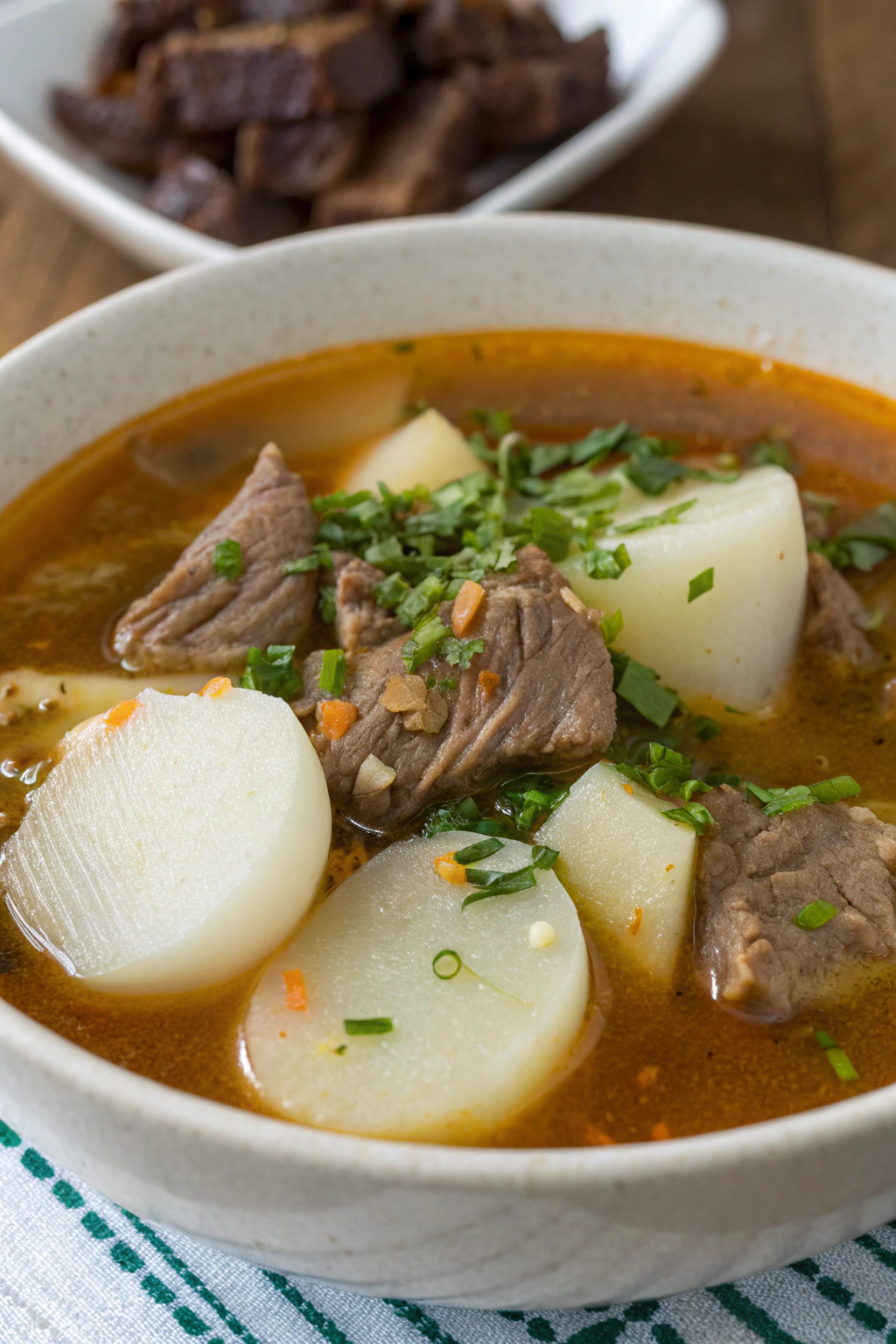
Tasty Korean Winter Soup Recipe
Ingredients
Instructions
- In a bowl, combine the sliced beef with 1 tablespoon soy sauce, sesame oil, and half of the minced garlic. Mix well and let marinate while preparing the vegetables.
- Heat a large pot over medium heat. Add the marinated beef and sliced onion, and cook for 3–4 minutes until the beef is no longer pink and the onion begins to soften.
- Pour in the broth and bring to a boil. Skim off any foam that rises to the surface.
- Stir in the gochujang, remaining garlic, sugar, and additional soy sauce to taste. Reduce heat and simmer for 10 minutes.
- Add the napa cabbage, zucchini, and tofu. Simmer for another 10–12 minutes, until the vegetables are tender and flavors have melded.
- If desired, stir in gochugaru for extra heat. Adjust seasoning with salt and black pepper.
- Ladle the soup into bowls and garnish with sliced green onions and sesame seeds before serving.
Notes
Approximate per serving (1 of 4): 260 calories; fat 12 g; saturated fat 3 g; carbohydrates 15 g; fiber 3 g; sugars 6 g; protein 22 g; sodium 1180 mg. Values will vary based on specific ingredients, brands, and portion size.