
Rosemary Chicken Dijon Recipe tastes rich, tangy, and herby with juicy chicken tucked into a creamy mustard sauce, and it lands on the table in about 35 minutes, so weeknights feel a little fancy without any stress. It works for busy home cooks who want big flavor with simple ingredients and minimal chopping. I first cooked a version of this in a tiny apartment kitchen with one skillet and a wobbly stove, so I promise it fits real life.
Why Make This Rosemary Chicken Dijon Recipe at Home
This skillet dinner gives you restaurant-level flavor with grocery store basics and one pan to wash. The Dijon and rosemary balance each other, so the sauce tastes bright, savory, and cozy instead of sharp or heavy.
You control the salt, the creaminess, and the quality of the chicken, so it fits different diets and preferences. Leftovers taste even better the next day, which makes this recipe perfect for meal prep or lunches.
My whole family asked for seconds of this Rosemary Chicken Dijon Recipe, and the sauce practically begged for extra bread to soak it up. ★★★★★
Ingredients You Need
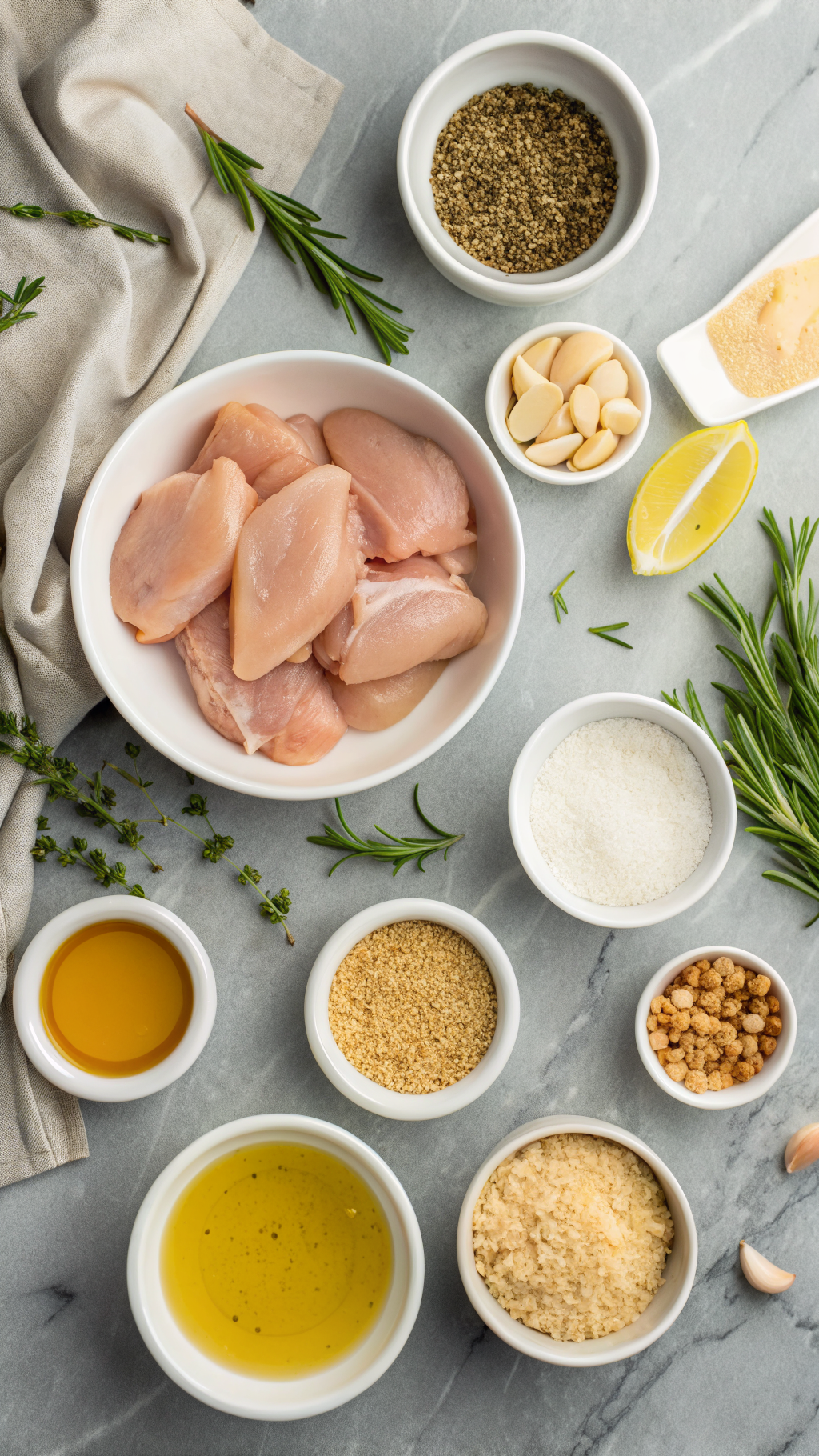
Chicken
- 4 boneless skinless chicken breasts, pounded to even thickness
- Use thighs if you prefer richer flavor and extra tenderness.
- I like air-chilled chicken because it browns better and does not steam.
Seasoning for chicken
- 1 ½ teaspoons kosher salt
- ½ teaspoon black pepper
- ½ teaspoon smoked paprika or sweet paprika
- ½ teaspoon garlic powder
Fat for searing
- 2 tablespoons olive oil
- Use avocado oil or canola oil if that sits in your pantry already.
- 1 tablespoon butter
- Butter adds flavor and color, but you can skip it for dairy-free.
Aromatics
- 1 small yellow onion, finely chopped
- 3 cloves garlic, minced
- 1 teaspoon fresh lemon zest
- Bottled zest does not taste great, so use fresh lemon if possible.
Herbs
- 2 teaspoons fresh rosemary, finely chopped
- Use 1 teaspoon dried rosemary if that fits your pantry better.
- Crush dried rosemary between your fingers to soften the texture.
Sauce base
- ½ cup low-sodium chicken broth
- I like Better Than Bouillon roasted chicken base with water for a pantry shortcut.
- ½ cup heavy cream
- 2 to 3 tablespoons Dijon mustard
- I like Maille or Grey Poupon for a smooth, tangy flavor.
- Start with 2 tablespoons if you feel sensitive to mustard, then taste and adjust.
Acid and balance
- 1 tablespoon fresh lemon juice
- 1 teaspoon honey or maple syrup
- This tiny bit of sweetness rounds out the mustard and rosemary.
Thickening and finishing
- 1 teaspoon cornstarch mixed with 1 tablespoon cold water, optional
- Use this if you prefer a thicker, clingy sauce.
- 1 to 2 tablespoons chopped fresh parsley for garnish
Equipment list
- Large skillet or sauté pan with lid (10 to 12 inches)
- Meat mallet or rolling pin to pound chicken
- Cutting board and sharp knife
- Small whisk or fork for the sauce
- Tongs or spatula for flipping chicken
- Small bowl for cornstarch slurry, if you use it
Tips & Mistakes
- Pat chicken dry before seasoning so it browns instead of steaming.
- Pound thick chicken breasts to even thickness so they cook at the same rate.
- Season both sides of the chicken generously; bland chicken ruins a great sauce.
- Heat the pan until the oil shimmers before you add chicken to avoid pale, soggy pieces.
- Do not crowd the pan; cook chicken in batches if needed so it sears properly.
- Keep heat at medium to medium-high; high heat can scorch the mustard and cream.
- Add garlic after the onion softens so it does not burn and taste bitter.
- Whisk Dijon into the broth and cream fully so the sauce turns smooth, not grainy.
- Taste the sauce before you add extra salt, since mustard and broth already bring salt.
- Add lemon juice at the end so the flavor stays bright and fresh.
- Use cornstarch slurry only if the sauce looks thin after simmering a few minutes.
- Let chicken rest in the sauce for a few minutes so it absorbs flavor and stays juicy.
- Store leftovers promptly; cream sauces sit poorly at room temperature.
- Reheat gently over low heat so the sauce stays silky and does not split.
How to Make Rosemary Chicken Dijon
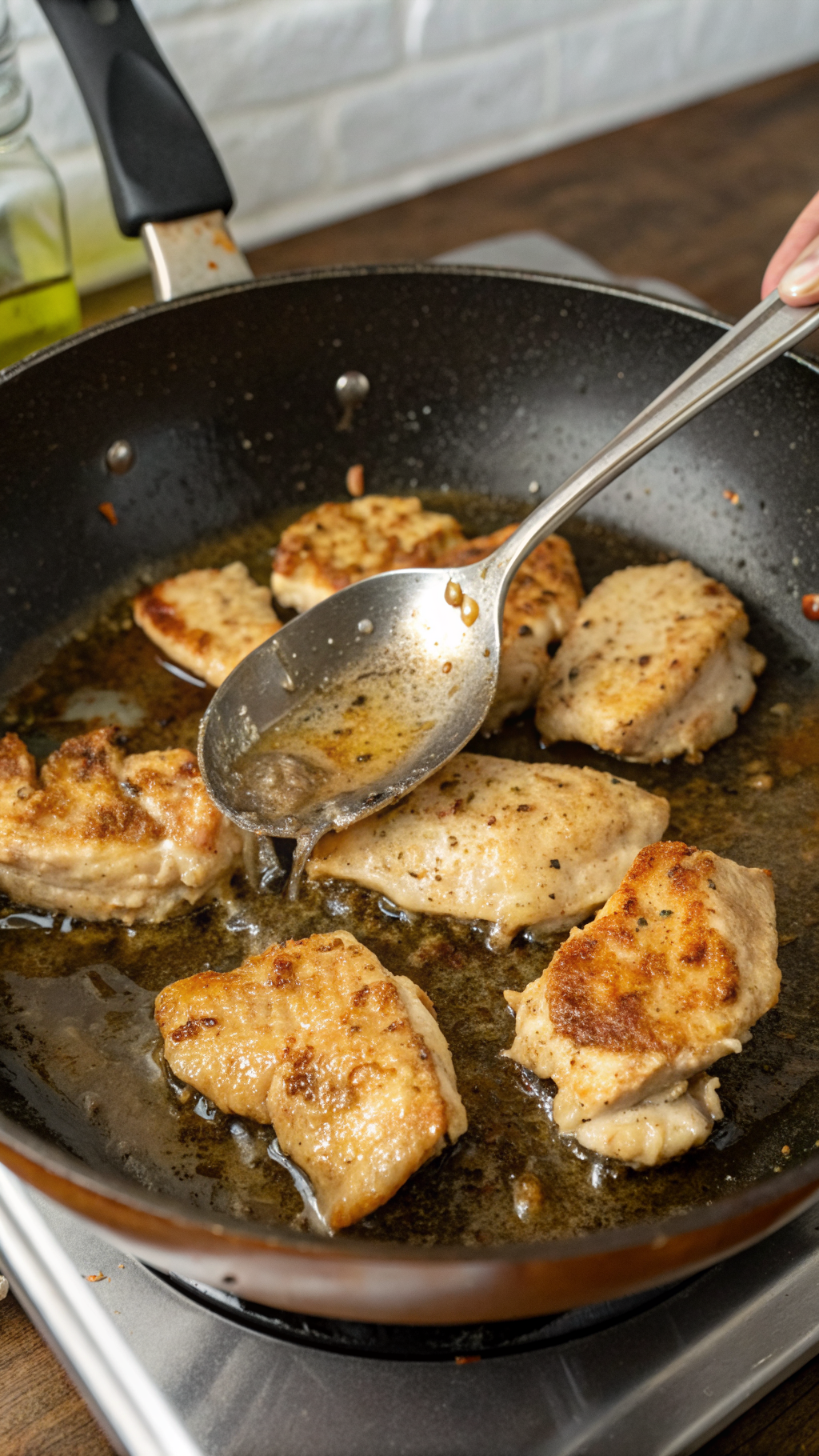
1: Prep and season the chicken
Place the chicken breasts between two sheets of parchment or plastic and pound them to an even ½ to ¾ inch thickness. Pat each piece dry with paper towels so the seasoning sticks and browning happens nicely. Mix salt, pepper, smoked paprika, and garlic powder, then sprinkle the blend on both sides of the chicken.
2: Sear the chicken
Heat olive oil and butter in a large skillet over medium-high heat until the fat shimmers and small bubbles form around the butter. Lay the chicken in a single layer and leave it alone for 4 to 5 minutes so a golden crust forms. Flip and cook another 4 to 5 minutes, until the thickest part reaches 160 to 165°F, then transfer the chicken to a plate and tent loosely with foil.
3: Sauté onion, garlic, and rosemary
Lower the heat to medium and add the chopped onion to the same skillet, scraping up browned bits with a wooden spoon. Cook the onion for about 3 to 4 minutes until it turns soft and lightly golden. Stir in garlic, rosemary, and lemon zest, then cook 1 minute until the kitchen smells amazing.
4: Build the Dijon cream sauce
Whisk in the chicken broth and stir to loosen any remaining browned bits from the bottom of the pan. Add cream, Dijon mustard, and honey, then whisk until the sauce looks smooth and uniform. Let the mixture simmer gently for 3 to 5 minutes, stirring often, until it thickens slightly and coats the back of a spoon.
5: Adjust thickness and seasoning
If you prefer a thicker sauce, stir the cornstarch slurry into the simmering mixture and cook 1 to 2 minutes until it reaches your desired consistency. Taste the sauce and add a pinch of salt or extra Dijon if you want more tang. Squeeze in the lemon juice and stir again to brighten the flavor.
6: Return chicken to the pan
Nestle the seared chicken breasts back into the skillet, along with any juices from the plate. Spoon sauce over the top of each piece so they soak up flavor. Simmer on low heat for 3 to 4 minutes so the chicken warms through and the sauce clings nicely.
7: Garnish
Turn off the heat and sprinkle chopped parsley over the chicken for color and freshness. Spoon extra Rosemary Chicken Dijon sauce over the top. Serve directly from the skillet to keep things cozy and simple.
Variations I’ve Tried
I swap chicken breasts for boneless thighs when I want extra richness and a bit more forgiveness on cooking time. I sometimes add sliced mushrooms with the onion for an earthy twist that pairs nicely with rosemary and Dijon. Also stir in a handful of baby spinach during the last minute of simmering for a built-in veggie boost.
For a lighter version, I use half-and-half instead of heavy cream and skip the cornstarch, which gives a thinner, pourable sauce. When I cook for dairy-free friends, I use coconut milk and a little extra lemon, which keeps the Rosemary Chicken Dijon Recipe bright and creamy without actual cream.
How to Serve Rosemary Chicken Dijon
Serve Rosemary Chicken Dijon over fluffy rice, mashed potatoes, or buttered egg noodles so the sauce has something to soak into. I like a simple side of roasted green beans or steamed broccoli to keep the plate balanced and colorful. Crusty bread or warm pita works perfectly for swiping every last bit of sauce from the skillet. For kids, I slice the chicken into strips and spoon a little extra sauce on the side for dipping.
How to store
- Cool leftovers to room temperature within 1 hour, then transfer chicken and sauce to an airtight container.
- Store in the fridge for up to 3 days.
- Freeze in a freezer-safe container for up to 2 months; thaw overnight in the fridge before reheating.
- Reheat gently in a covered skillet over low heat with a splash of broth or water until hot, or warm individual portions in the microwave at 50 percent power in short bursts, stirring the sauce between bursts so it stays smooth.
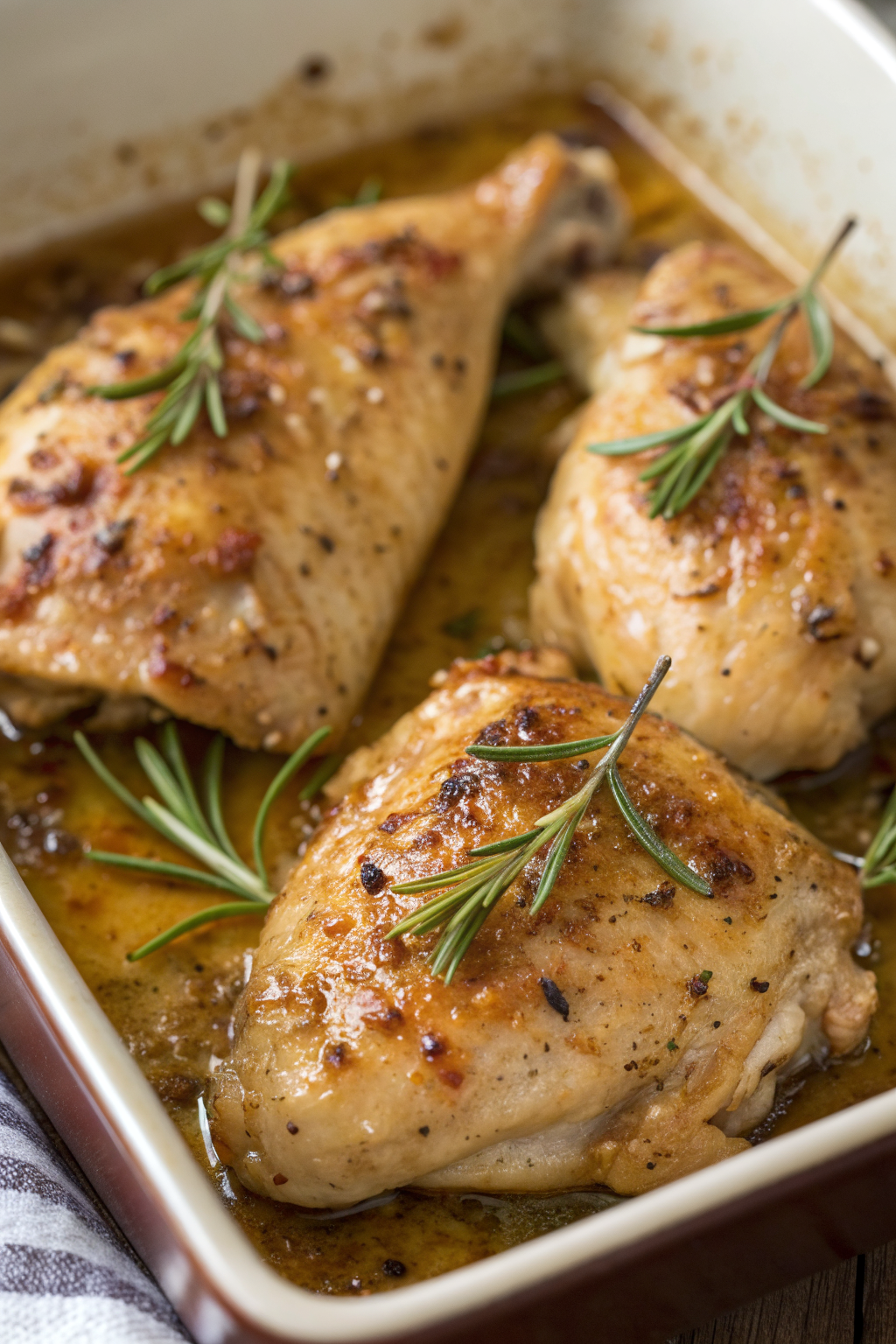
Rosemary Chicken Dijon Recipe
Ingredients
Instructions
- Season both sides of the chicken breasts with salt and pepper.
- Heat the olive oil and butter in a large skillet over medium-high heat. Add the chicken breasts and cook 5–6 minutes per side, or until golden brown and cooked through. Transfer chicken to a plate and keep warm.
- Reduce heat to medium. In the same skillet, add the minced garlic and chopped rosemary. Sauté for 30–60 seconds until fragrant, stirring constantly to avoid burning.
- Pour in the chicken broth, scraping up any browned bits from the bottom of the pan. Simmer for 2–3 minutes to slightly reduce.
- Whisk in the heavy cream and Dijon mustard until smooth. Simmer 3–5 minutes, stirring occasionally, until the sauce thickens slightly. Add lemon juice if using, and adjust seasoning with additional salt and pepper to taste.
- Return the chicken breasts and any accumulated juices to the skillet, turning to coat with the sauce. Simmer 2–3 minutes until heated through.
- Garnish with chopped fresh parsley if desired and serve the Rosemary Chicken Dijon hot with your choice of sides.
Notes
Approximate per serving (1/4 of recipe): 360 calories; fat 21 g; saturated fat 9 g; carbohydrates 4 g; fiber 0 g; sugars 1 g; protein 38 g; sodium 520 mg. Values will vary based on specific ingredients, brands, and portion size.