
Hollandaise Sauce Recipe tastes rich, buttery, lemony, and just a little fancy, even if you stand in your kitchen wearing sweatpants. It works for anyone who wants brunch-level flavor in about 15 minutes, from beginner cooks to seasoned home chefs. I still remember the first time I nailed it on a sleepy Sunday and felt like I had my own tiny diner on the stove.
Why Hollandaise Sauce Recipe Is Worth It
Hollandaise Sauce Recipe turns simple eggs, veggies, or potatoes into restaurant-style plates with almost no extra effort. You whisk a few basic ingredients and end up with a silky, glossy sauce that tastes like brunch at a nice cafe.
You control the flavor and thickness, which beats any jarred option by a mile. Once you learn the technique, you can adjust it for different dishes, spice levels, and diets without stress.
This Hollandaise Sauce Recipe tastes like brunch at a fancy spot, but comes together in minutes in a regular home kitchen. ★★★★★
Ingredients You Need
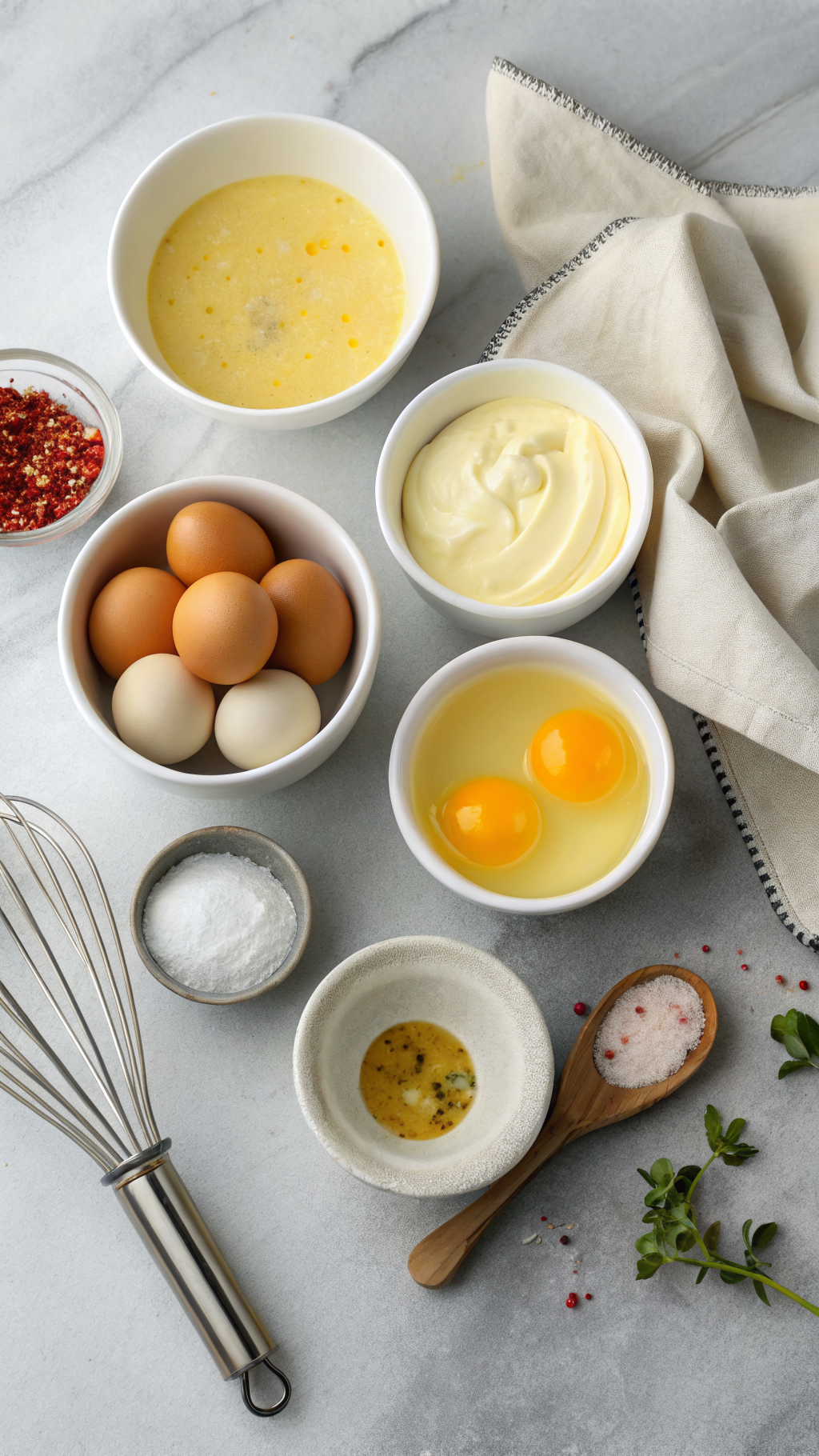
- 3 large egg yolks, room temperature
- 1 tablespoon water
- 1 tablespoon fresh lemon juice, plus more to taste
- 8 tablespoons (1 stick) unsalted butter, melted and hot
- Use good quality butter, since it carries most of the flavor.
- Salted butter works in a pinch, but reduce added salt.
- 1/4 teaspoon kosher salt, or to taste
- 1/8 teaspoon cayenne pepper or hot paprika, optional for gentle heat
- Small pinch of white or black pepper
Pantry shortcuts and notes:
- Use bottled lemon juice only if you must, but fresh lemon gives brighter flavor.
- Use ghee instead of butter for a slightly nuttier taste and a bit more heat tolerance.
- Use a pinch of garlic powder or onion powder if you want a subtle savory kick without chopping anything.
Substitutions:
- Use clarified butter instead of regular butter if you want extra smooth texture and better stability.
- Use lime juice instead of lemon for a twist that pairs well with seafood.
- Use smoked paprika instead of cayenne if you want smokiness without much heat.
Equipment list:
- Small heatproof bowl (glass or metal)
- Small saucepan with 1 to 2 inches of water
- Balloon whisk
- Measuring spoons and cup
- Small ladle or spouted cup for pouring butter
- Instant-read thermometer (optional, but very helpful)
Quick Tips & substitutions
- Keep the heat low and gentle so the egg yolks stay silky and do not scramble.
- Whisk constantly and with energy, since the sauce likes movement and attention.
- Pull the bowl off the heat if it feels too hot to touch on the bottom.
- Add the hot butter in a slow, steady stream so the sauce thickens smoothly.
- Use a blender or immersion blender if you feel nervous about whisking by hand.
- Swap butter with vegan butter and use aquafaba or silken tofu for a plant-based version.
- Use lactose-free butter if you deal with dairy sensitivity.
- Add extra lemon juice at the end if the sauce tastes too heavy or flat.
- Thin a sauce that feels too thick with a teaspoon of warm water at a time.
- Fix a broken sauce by whisking a fresh egg yolk with a teaspoon of water, then slowly whisking in the broken sauce.
How to Make Hollandaise Sauce
1: Set up a gentle double boiler
Fill a small saucepan with about 1 to 2 inches of water and bring it to a gentle simmer. Place a heatproof bowl on top so it sits over the steam, not in the water. Keep the heat low so the water barely simmers.
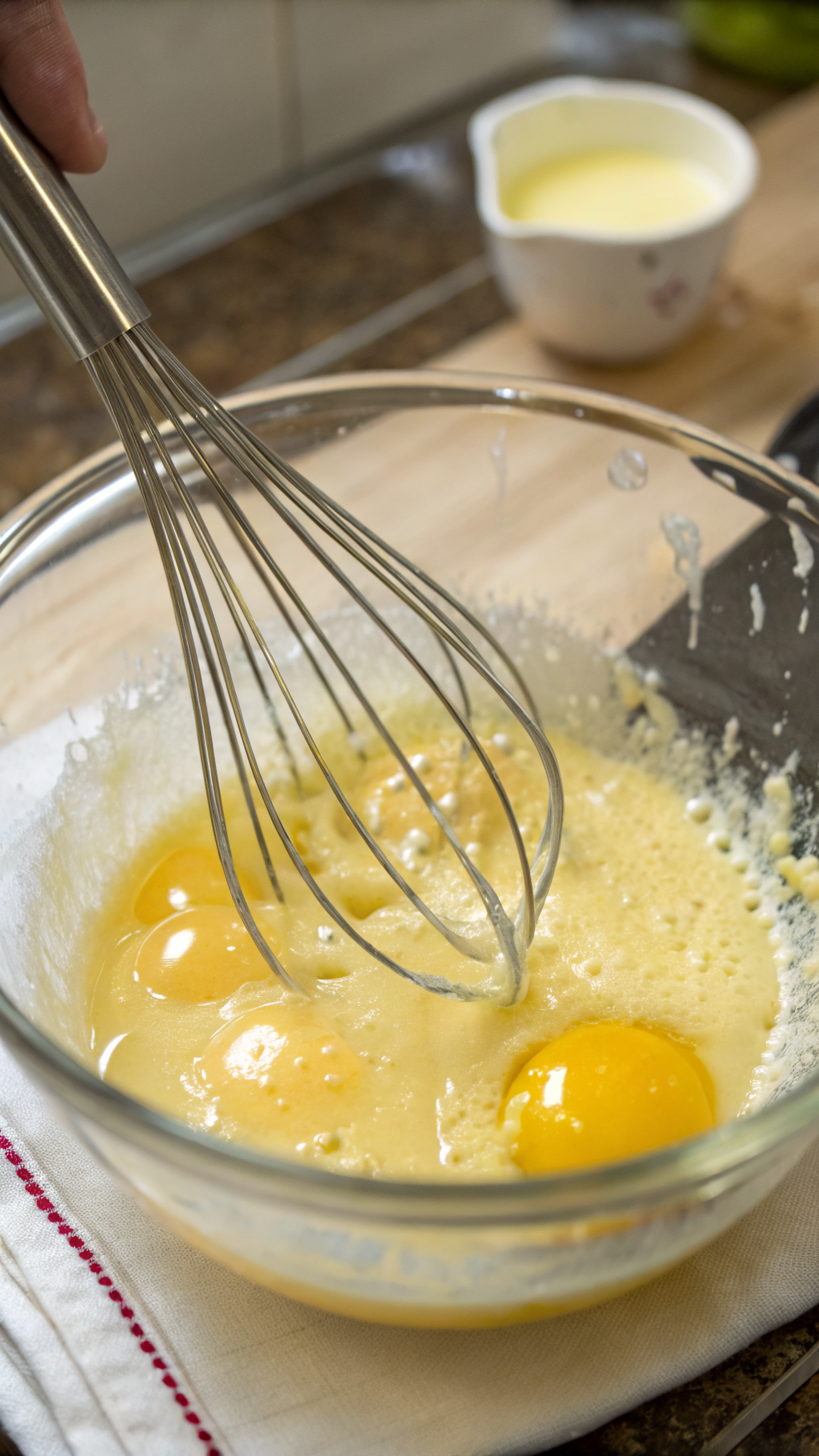
2: Whisk the yolks, water, and lemon
Add the egg yolks, water, and lemon juice to the bowl. Whisk until the mixture looks smooth and slightly lighter in color. This step starts to add air and gives the sauce a lighter texture.
3: Thicken the yolk mixture
Place the bowl over the simmering water. Whisk constantly and watch the texture. The yolks will slowly thicken and turn creamy, which usually takes 3 to 5 minutes.
Lift the whisk and check if the mixture forms soft ribbons that sit on the surface for a second. If you use a thermometer, aim for about 150 to 160 degrees Fahrenheit. Pull the bowl off the heat for a moment if it heats too quickly.
4: Stream in the hot butter
Melt the butter until hot and fully liquid, but not browned. Keep the yolk bowl over very low heat or move it off the heat if it feels hot. Start whisking and pour the butter in a thin, steady stream while you whisk without stopping.
Start with a few teaspoons at a time, then increase the flow once the sauce starts to thicken and look glossy. Leave behind any white milk solids at the bottom of the butter if you want a smoother texture.
5: Season and adjust
When all the butter mixes in, you should see a thick, pourable sauce that clings to a spoon. Whisk in salt, pepper, and cayenne or paprika. Taste and add more lemon juice or salt if needed.
If the sauce feels too thick, whisk in a teaspoon or two of warm water until it reaches your ideal consistency. If it feels too thin, keep it over gentle heat and whisk for another minute.
6: Keep warm
Keep the Hollandaise Sauce Recipe warm over a pan of hot water with the heat off. Whisk every few minutes so it stays smooth. Serve within about 30 minutes for the best texture and flavor.
Recipe Variations
- Gluten-free: Use regular ingredients listed, since Hollandaise Sauce Recipe naturally stays gluten free.
- Low carb: Keep the base recipe as is and pair it with low carb sides like asparagus, spinach, or poached eggs.
- Extra lemon: Add more lemon juice and a bit of zest for a sharper, brighter sauce.
- Herb version: Stir in minced chives, tarragon, or parsley at the end for color and fresh flavor.
- Spicy version: Add more cayenne, a dash of hot sauce, or a pinch of chipotle powder.
- Garlic version: Whisk in a small amount of roasted garlic paste for a mellow, savory twist.
- Vegan version: Blend warm plant-based butter with silken tofu or aquafaba, lemon juice, and seasonings until thick and creamy.
Ways to Serve Hollandaise Sauce
- Spoon over poached eggs on toasted English muffins with Canadian turkey bacon for a classic eggs Benedict.
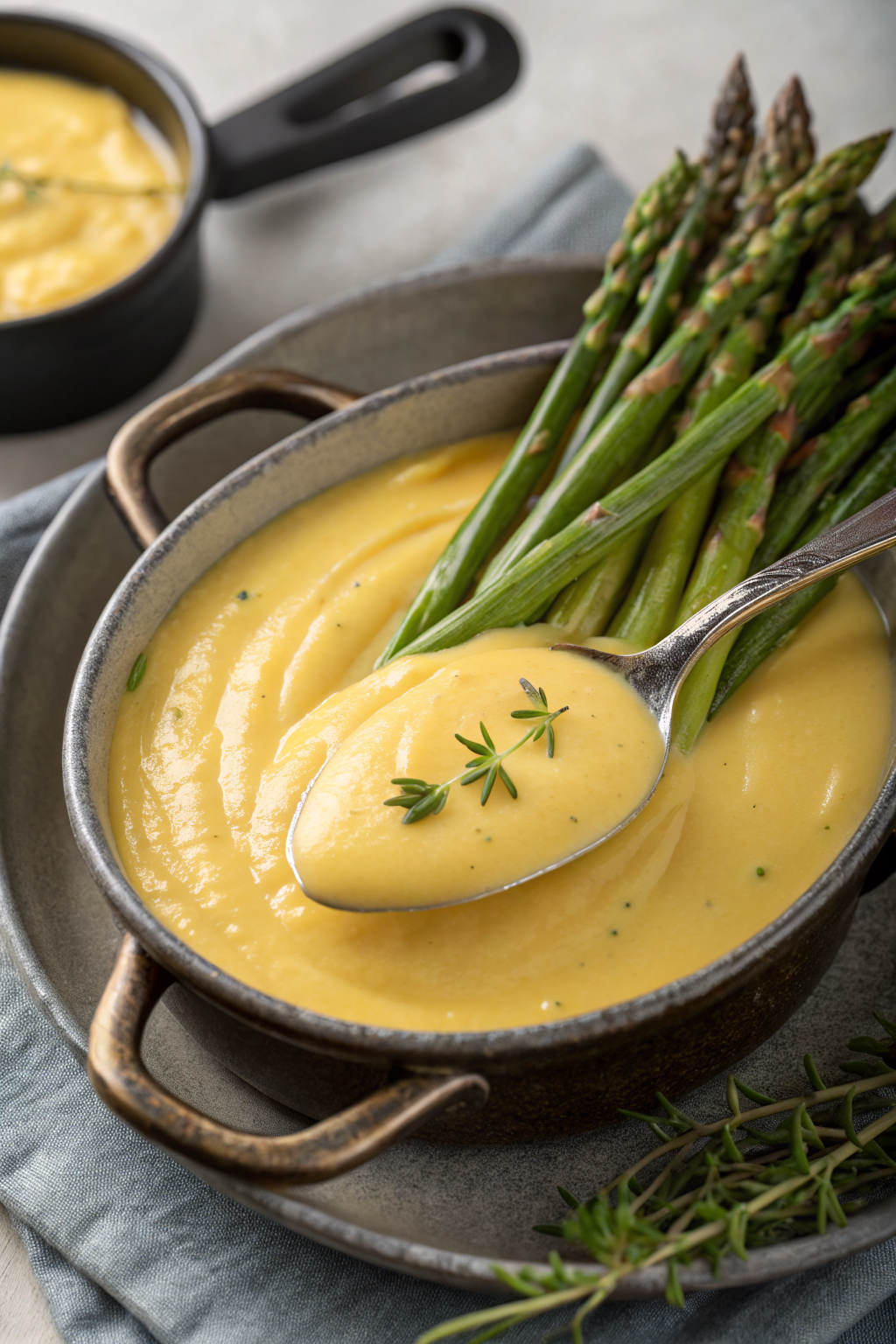
- Serve over steamed or roasted asparagus for a simple side dish.
- Drizzle on roasted potatoes or hash browns for a brunch plate.
- Top lightly steamed broccoli or green beans to tempt veggie skeptics.
- Serve over pan-seared salmon or other fish for a rich, bright finish.
- Use as a topping for breakfast sandwiches with eggs and cheese.
Storage Success
Use Hollandaise Sauce Recipe right after you make it for the best texture and flavor. If you need to hold it for a short time, keep it in a warm spot over a pan of hot water and whisk often. Store leftovers in an airtight container in the fridge for up to 1 day, but expect a thicker texture.
Reheat very gently over low heat or in short bursts in the microwave, and whisk in a teaspoon of warm water or lemon juice to loosen it. If the sauce separates, whisk it vigorously or blend it with a splash of warm water until it comes back together.
Hollandaise Sauce Recipe
Ingredients
Instructions
- In a heatproof bowl, whisk together the egg yolks and lemon juice until the mixture is thickened and slightly lightened in color.
- Place the bowl over a saucepan of gently simmering water, making sure the bottom of the bowl does not touch the water, and whisk constantly.
- While whisking continuously, slowly drizzle in the warm melted butter, a little at a time, allowing each addition to fully incorporate before adding more.
- Continue whisking until the sauce is thick, smooth, and glossy. If it becomes too thick, whisk in up to 1 tablespoon of warm water to loosen.
- Remove from heat and season with salt and cayenne pepper to taste. Serve immediately over eggs, vegetables, or fish.
Notes
Approximate per serving (1/4 of recipe): 210 calories; fat 22 g; saturated fat 13 g; carbohydrates 1 g; fiber 0 g; sugars 0 g; protein 3 g; sodium 160 mg. Values are estimates and will vary based on specific ingredients and portion size.