
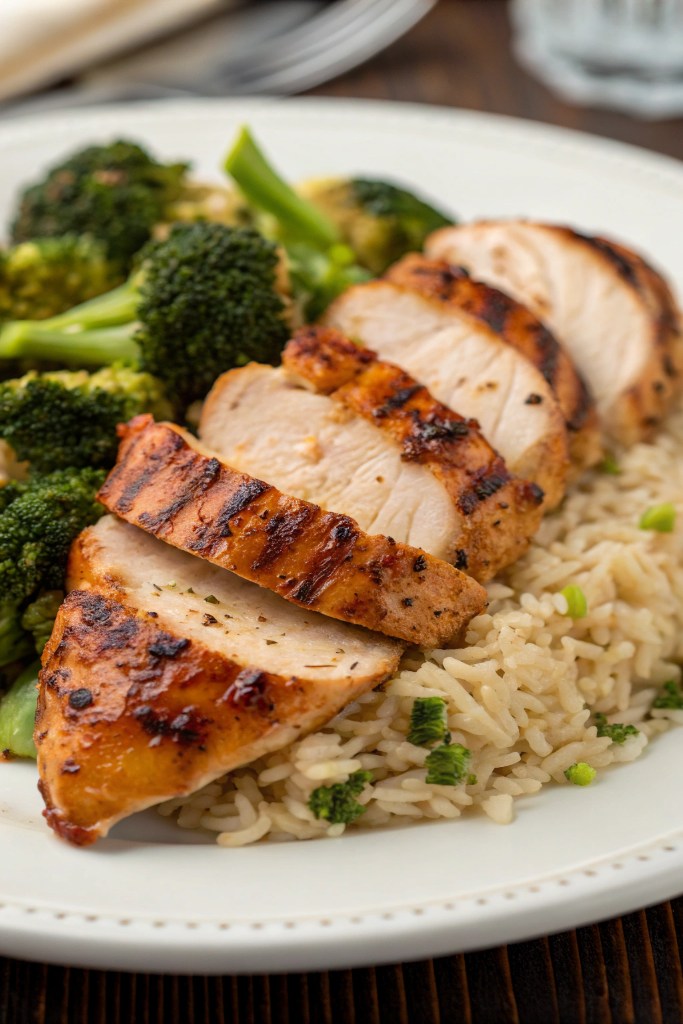
Chicken that turns rubbery is usually the result of overcooking, high heat, low moisture, or improper handling. Below are the main causes, how to prevent rubbery chicken, and safe cooking and storage guidelines.
What Makes Chicken Rubbery?
Overcooked or poorly handled chicken becomes rubbery when muscle fibers tighten and moisture is lost. Common causes include cooking at very high heat, using thin or uneven pieces, not brining or marinating, previously frozen-and-thawed chicken with poor texture, and low-quality or “woody” breast meat from fast-grown birds.
Main Causes of Rubbery Chicken
Cooking issues
- Overcooking past 165°F (74°C)
- Very high heat with no moisture (dry pan, dry oven)
- Uneven thickness leading to dry edges
- Reheating multiple times
Preparation issues
- Not pounding chicken to even thickness
- Skipping brining or marinating
- Using very lean cuts with no added fat
- Cooking straight from very cold (or partially frozen) state
Ingredient quality issues
- “Woody breast” (tough, fibrous breast meat)
- Previously frozen chicken with ice damage
- Low-grade or injected chicken with added water and salts
Handling and storage issues
- Long refrigeration without airtight wrapping
- Freezer burn from poor packaging
- Slow thawing at room temperature (texture and safety risk)
Why Chicken Turns Rubbery From Overcooking?
When chicken is heated well beyond 165°F (74°C), the muscle proteins contract and squeeze out water. As moisture leaves the fibers, the meat feels tough, dry, and rubbery. Thin cutlets, strips, and small pieces overcook especially quickly if not monitored with a thermometer.
Cooking Tips to Prevent Rubbery Chicken
Use these guidelines to keep chicken tender and safe:
- Safe internal temperature: 165°F (74°C) for all chicken
- Average cook time (boneless breasts):
- Pan-seared: 6–8 minutes per side on medium heat
- Baked at 375°F (190°C): 18–25 minutes, depending on thickness
- Average cook time (thighs, bone-in):
- Oven-baked at 375°F (190°C): 35–45 minutes
- Best methods to reduce rubberiness:
- Pound breasts to even thickness (about ½–¾ inch)
- Use moderate heat instead of high heat
- Brine in saltwater 15–30 minutes, or marinate 30–120 minutes
- Use moist-heat methods (poaching, braising) for very lean pieces
- Rest chicken 5–10 minutes after cooking before slicing
Technique-based Tips
Moist-heat methods
- Poaching in broth or water
- Braising in sauce
- Steaming with aromatics
These methods keep chicken surrounded by moisture, reducing dryness and rubbery texture.
Dry-heat methods (with safeguards)
- Baking or roasting at moderate heat (350–400°F / 175–200°C)
- Pan-searing, then finishing in the oven
- Grilling with indirect heat and a thermometer
Use oil or butter, avoid extreme high heat, and monitor internal temperature.
Storage and Freezing Guidelines for Better Texture
Proper storage helps minimize dryness and rubberiness after cooking.
Refrigeration
- Raw chicken (store-bought, refrigerated):
- Store at 40°F (4°C) or below
- Use within 1–2 days (whole or parts)
- Cooked chicken:
- Store in shallow, airtight containers
- Refrigerate within 2 hours of cooking
- Use within 3–4 days
Freezing
- Raw chicken:
- Wrap tightly (plastic + freezer bag or vacuum seal)
- Store at 0°F (-18°C) or below
- Whole chicken: up to 1 year
- Parts: up to 9 months
- Cooked chicken:
- Cool completely, portion, then freeze in airtight packaging
- Use within 2–6 months for best texture
Thawing and Reheating to Avoid Rubbery Texture
- Thawing:
- In the refrigerator: safest, 24 hours for most pieces
- In cold water: sealed bag, change water every 30 minutes
- Avoid room-temperature thawing
- Reheating:
- Add moisture (broth, sauce, or covered container)
- Reheat gently to 165°F (74°C), avoid prolonged high heat
- Use lower power in the microwave and cover to trap steam
Frequently Asked Questions
Does overcooking make chicken rubbery?
Yes. Overcooking is the most common cause of rubbery chicken. When chicken cooks past 165°F (74°C) for too long, proteins contract, squeeze out moisture, and create a dry, chewy texture. Using a food thermometer and monitoring time helps prevent this.
Can marinating prevent chicken from becoming rubbery?
Marinating can help. Acidic or enzymatic marinades (with yogurt, buttermilk, citrus, vinegar, or pineapple in moderation) break down some proteins and add moisture. However, marinating does not fix overcooking; chicken still needs to be cooked only to 165°F (74°C).
Why is my chicken rubbery even when it is not overcooked?
Some chicken, especially large, fast-grown breasts, can have “woody breast” syndrome, which feels tough and rubbery even at proper temperature. Poor freezing, freezer burn, or previously injected products can also cause a rubbery or spongy texture.
How do I fix already rubbery cooked chicken?
You cannot fully reverse rubberiness, but you can improve eating quality by:
- Slicing thinly against the grain
- Adding to soups, stews, or saucy dishes
- Simmering gently in broth or sauce to add moisture
Avoid further high-heat cooking, which worsens texture.
Is rubbery chicken safe to eat?
Texture alone does not indicate safety. Chicken is considered safe when it reaches 165°F (74°C) throughout. Rubbery chicken is usually the result of overcooking or quality issues, not undercooking. However, if chicken has an off smell, unusual color, or slime, discard it regardless of texture.