
How to make Swiss Meringue Buttercream tastes silky, light, and not overly sweet, which makes it perfect for people who love frosting but dislike that heavy sugar rush. It works beautifully for home bakers who want bakery-style cakes in about 45–60 minutes total, including cooling and whipping time. I still remember the first time I nailed this recipe and ate frosting straight from the bowl with a spatula like it was a legitimate dinner plan.
Why You Should Try This Swiss Meringue Buttercream
This frosting tastes smooth, creamy, and elegant, with a gentle sweetness that lets vanilla or chocolate really shine. It spreads like a dream, pipes sharp details, and holds up much better than regular American buttercream on cakes and cupcakes.
You control the flavor and sweetness, so it works for kids’ birthday cakes, wedding-style cupcakes, or simple snack cakes. Once you learn the method, you can flavor it a hundred different ways without changing the base recipe.
“This Swiss Meringue Buttercream tastes like something from a fancy bakery, but the method feels totally doable at home. ★★★★★”
Ingredients You’ll Need
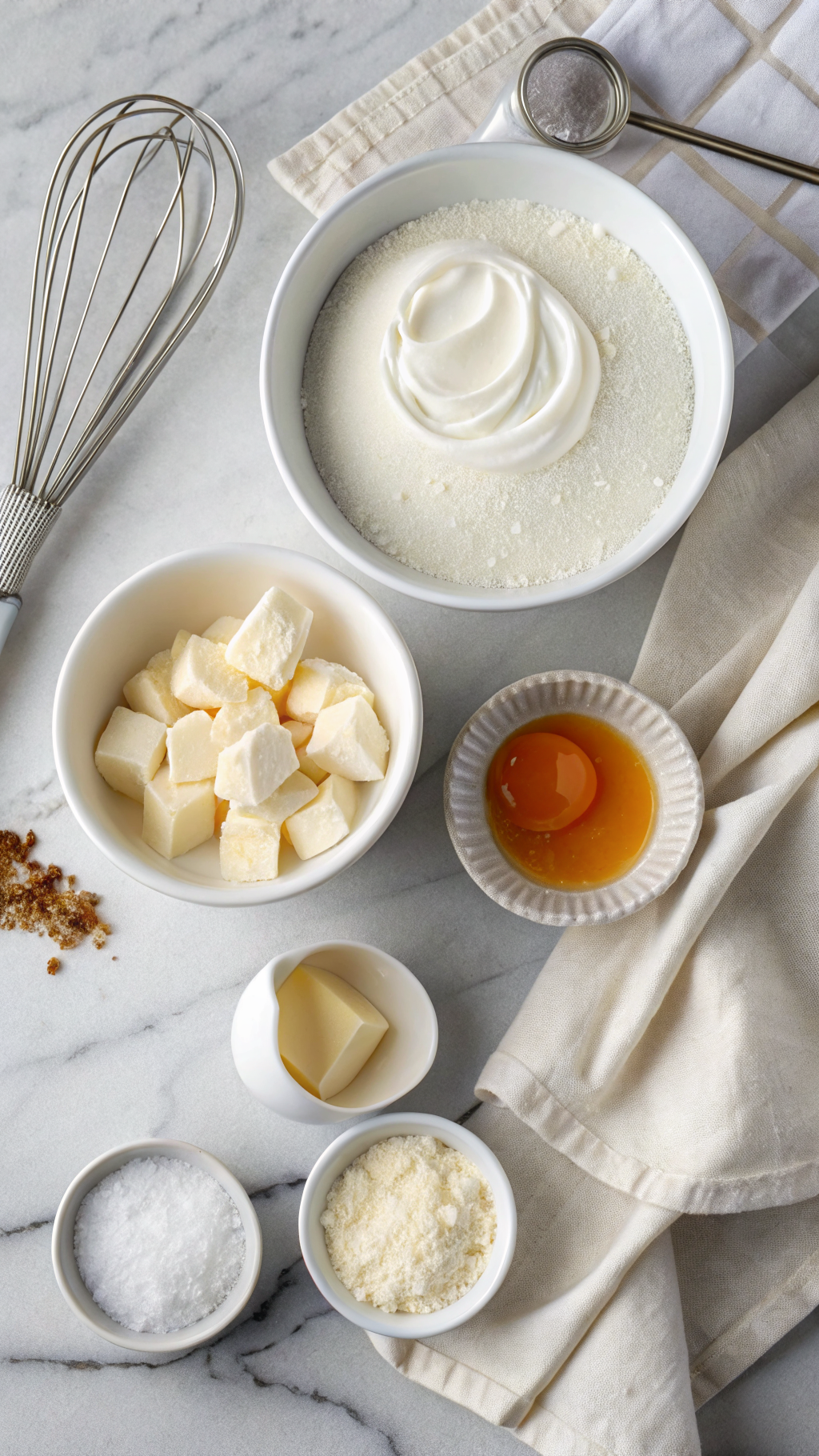
- Egg whites: 5 large egg whites, about 150 g
- Granulated sugar: 1 1/2 cups (300 g)
- Regular white sugar works best.
- Fine baker’s sugar dissolves a bit faster, but standard sugar works just fine.
- Unsalted butter: 1 1/2 cups (340 g), room temperature, cut into cubes
- Use real butter, not margarine or spreadable butter.
- Choose a good quality butter like Kerrygold or Plugrá if you want extra rich flavor, but store brands also work.
- Pure vanilla extract: 2–3 teaspoons
- Use pure extract, not imitation, for the best flavor.
- Vanilla bean paste also works and adds pretty specks.
- Fine sea salt: 1/8–1/4 teaspoon
- A tiny bit of salt balances sweetness and deepens flavor.
Optional flavor add-ins
You can flavor this How to make Swiss Meringue Buttercream in many ways.
- Cocoa powder: 1/4–1/2 cup sifted, for chocolate buttercream
- Melted and cooled chocolate: 4–6 ounces, for richer chocolate flavor
- Fruit puree: 1/4–1/2 cup thick, strained puree like raspberry or strawberry
- Espresso powder: 1–2 teaspoons dissolved in 1 tablespoon hot water, cooled
- Lemon juice or zest: for a bright citrus version
Add extra liquids slowly so the frosting keeps a smooth texture.
Pantry shortcuts and substitutions
- Use pasteurized carton egg whites if you feel nervous about separating eggs, as long as the carton says they whip well.
- Swap vanilla extract with almond extract for a bakery-style wedding cake flavor, but start with 1/2 teaspoon since almond tastes strong.
- If you live in a hot climate, use slightly cooler butter so the frosting does not turn too soft.
Equipment list
- Heatproof mixing bowl (metal or glass) that fits snugly over a pot
- Medium saucepan with a couple inches of water
- Stand mixer with whisk and paddle attachments, or a strong hand mixer
- Instant-read thermometer or candy thermometer
- Rubber spatula
- Fine mesh strainer or clean towel to wipe bowl and tools
- Kitchen scale if you want the most accurate results
Tips & Tricks
- Wipe the bowl and whisk with a bit of vinegar or lemon juice on a paper towel to remove any grease.
- Separate eggs one at a time into a small bowl so a broken yolk does not ruin the whole batch.
- Heat the egg white and sugar mixture until it reaches 160°F, and whisk constantly so the eggs do not scramble.
- Whip the meringue until the bowl feels cool to the touch and the meringue forms stiff, glossy peaks before you add butter.
- Add butter slowly, a few cubes at a time, while the mixer runs on medium speed.
- If the mixture looks soupy, chill the bowl for 10–15 minutes, then whip again until it thickens.
- If the mixture looks curdled, keep whipping; it usually smooths out after a few minutes.
- Use room temperature butter; cold butter will not blend well, and melted butter will make the frosting too loose.
- Switch to the paddle attachment at the end and beat on low to knock out large air bubbles for a smoother finish.
- Keep the kitchen cool if possible, since heat can soften the buttercream and make it harder to work with.
How to Make Swiss Meringue Buttercream
1: Prep the equipment
Fill a medium saucepan with 1–2 inches of water and bring it to a gentle simmer.
Set a clean, dry metal or glass bowl on top to check that it fits snugly without touching the water.
Wipe the inside of the bowl and the whisk attachment with a bit of vinegar or lemon juice, then dry it well to remove any grease.
2: Combine egg whites and sugar
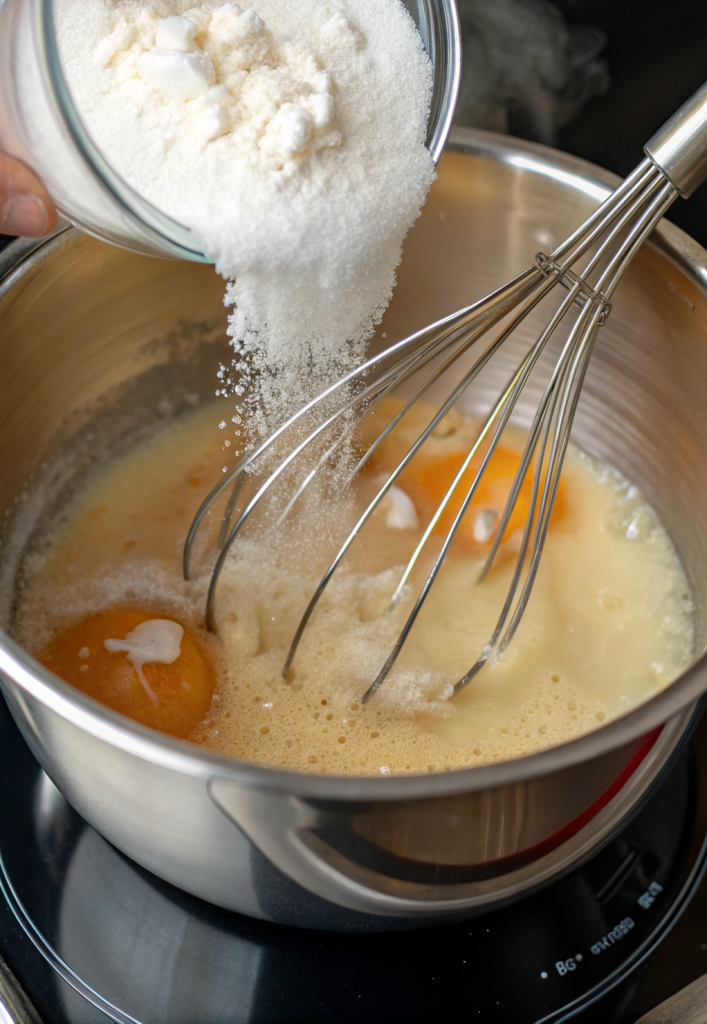
Add the egg whites and granulated sugar to the heatproof bowl.
Whisk them together until the mixture looks combined and slightly frothy.
Place the bowl over the simmering water to create a double boiler, and make sure the bottom of the bowl does not touch the water.
3: Heat the mixture
Whisk the egg white and sugar mixture constantly while it heats over the simmering water.
Use an instant-read thermometer and heat until the mixture reaches 160°F, which usually takes 5–8 minutes.
Rub a little mixture between your fingers; it should feel warm and completely smooth with no sugar grains.
4: Whip the meringue
Transfer the hot mixture to the bowl of a stand mixer if you used a separate bowl.
Attach the whisk and beat on medium-high speed until the meringue turns thick, glossy, and forms stiff peaks.
Keep whipping until the bowl feels cool to the touch, which usually takes 8–12 minutes, because warm meringue will melt the butter.
5: Add the butter
Once the meringue feels cool and holds stiff peaks, reduce the mixer speed to medium.
Add the room temperature butter a few cubes at a time, letting each addition mix in before you add more.
The mixture may look thin or curdled at some point, but keep adding butter and mixing until it thickens and smooths out.
6: Adjust texture and flavor
When all the butter mixes in and the frosting looks smooth, add vanilla extract and a pinch of fine sea salt.
Taste and adjust flavor with more vanilla or salt as needed.
If you want chocolate, fruit, or coffee flavor, add those ingredients now, a little at a time, and mix until fully combined.
7: Smooth and de-bubble
Switch to the paddle attachment and beat the buttercream on low speed for 1–2 minutes.
This step pushes out large air pockets and gives the frosting a silky, bakery-style finish.
Use a spatula to scrape the bowl and fold the frosting a few times to make sure everything mixes evenly.
8: Use or chill
Use the How to make Swiss Meringue Buttercream right away to frost cooled cakes or cupcakes.
If the buttercream feels too soft, chill it for 10–15 minutes, then beat briefly to bring it back to a spreadable texture.
If it feels too firm, let it sit at room temperature for a few minutes and stir or mix until it loosens up.
What to Serve with Swiss Meringue Buttercream
This How to make Swiss Meringue Buttercream pairs beautifully with classic vanilla or chocolate layer cakes, especially when you want a smooth, elegant finish. It tastes amazing on cupcakes for birthdays, baby showers, or school parties, and it pipes rosettes and swirls that hold their shape. Spread it over sheet cakes, sandwich it between cookies, or swirl it on top of brownies for a bakery-style treat. Serve it with fresh berries or sliced fruit on the side for a lighter touch that balances the rich, buttery flavor.
Storage Options
- Room temperature: Keep the frosted cake at cool room temperature for up to 1 day if your kitchen stays under about 72°F.
- Fridge storage: Store extra How to make Swiss Meringue Buttercream in an airtight container in the fridge for up to 5 days.
- Freezer storage: Freeze the buttercream in a tightly sealed container or freezer bag for up to 2 months.
- Thawing: Thaw frozen buttercream overnight in the fridge, then bring it to room temperature before you use it.
- Re-whipping: Once it reaches room temperature, beat it with a mixer on medium speed until it turns smooth and fluffy again; if it looks curdled, keep mixing until it comes together.
- Make ahead: You can frost cakes a day in advance, chill them, then let them sit at room temperature for 30–60 minutes before serving so the frosting softens slightly.
How to Make Swiss Meringue Buttercream
Ingredients
Instructions
- Fill a saucepan with an inch or two of water and bring to a gentle simmer over medium heat. Place a heatproof bowl over the pot, ensuring the bottom does not touch the water.
- Add the egg whites and granulated sugar to the bowl. Whisk constantly until the sugar is fully dissolved and the mixture reaches 160°F (71°C), 5–8 minutes. Rub a bit between your fingers; it should feel completely smooth.
- Transfer the hot egg white mixture to a stand mixer fitted with the whisk attachment. Beat on medium-high speed until stiff, glossy peaks form and the bowl feels cool to the touch, about 8–10 minutes.
- Once the meringue is cool, switch the mixer to medium speed and add the softened butter a few pieces at a time, letting each addition incorporate before adding more.
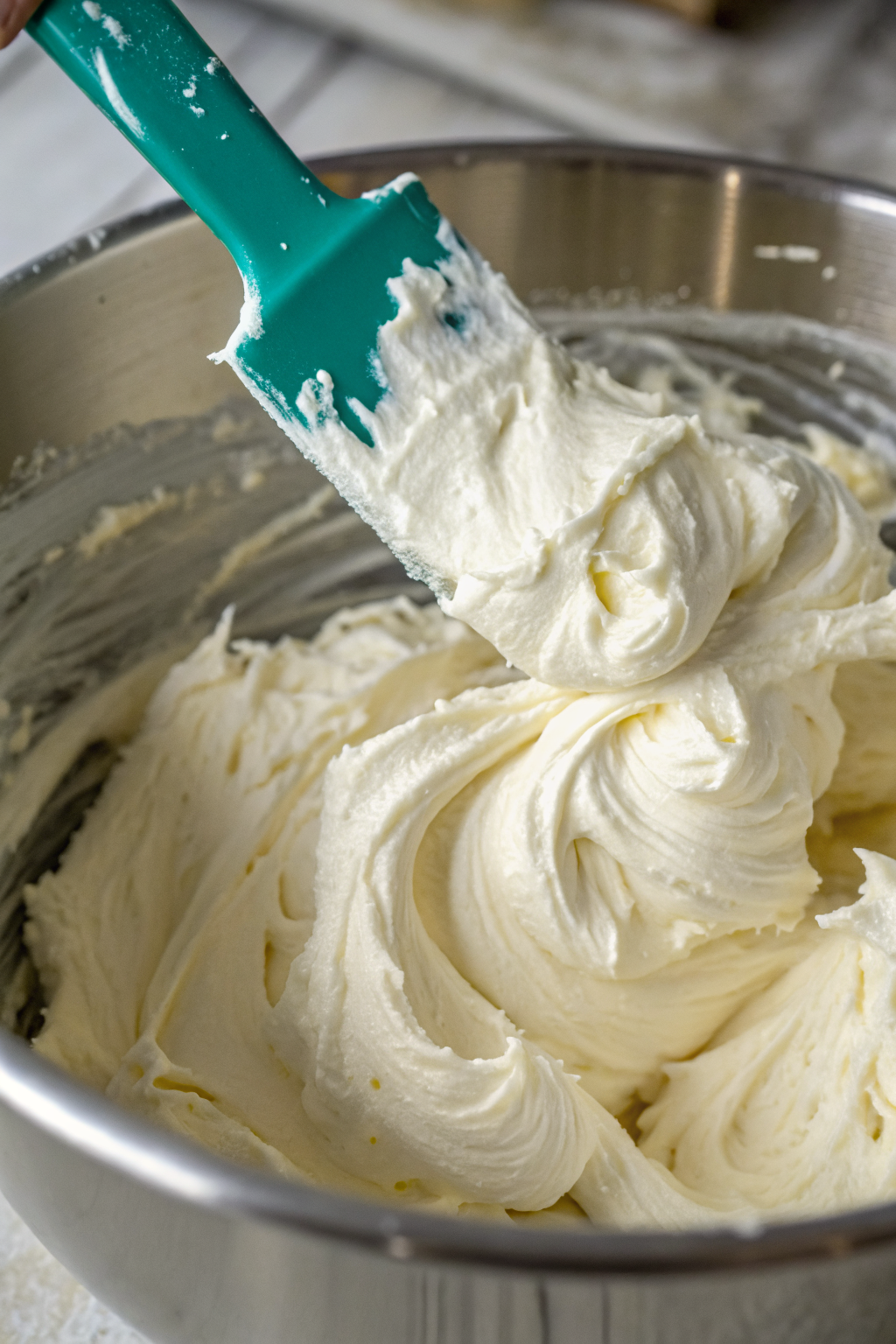
- Continue beating. The mixture may look curdled or soupy at first; keep mixing until it comes together into a smooth, thick buttercream.
- Add the vanilla extract and salt, then beat for another 1–2 minutes until light and silky. Adjust consistency if needed by briefly chilling or beating longer.
- Use immediately to frost cakes or cupcakes, or store covered in the refrigerator for up to 1 week. Bring to room temperature and rewhip before using.
Notes
Approximate per 1 serving (about 2 tablespoons): 170 calories; fat 16 g; saturated fat 10 g; carbohydrates 7 g; fiber 0 g; sugars 7 g; protein 1 g; sodium 45 mg. Values will vary based on exact ingredient brands, substitutions, and portion size.