
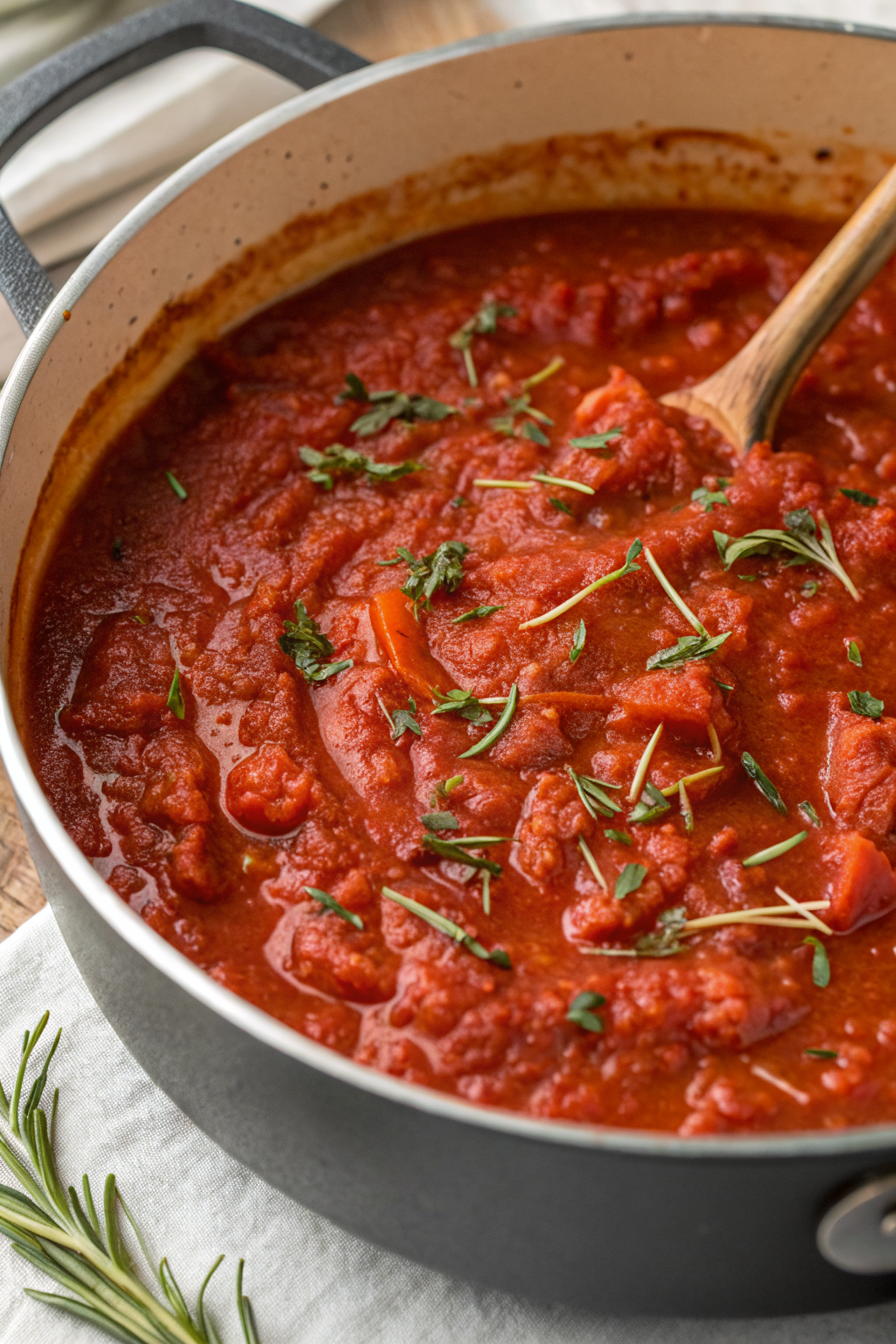
Marinara Sauce Recipe tastes bright, garlicky, and rich with tomato flavor, perfect for anyone who wants a quick, homemade pasta sauce in about 35 minutes. This Marinara Sauce Recipe works for busy weeknights, beginner cooks, and anyone who feels tired of bland jarred sauce. I have cooked some version of this on tiny apartment stoves, in friends’ chaotic kitchens, and it still comes out great every time.
Why You Should Try This Marinara Sauce Recipe
This marinara sauce recipe uses simple pantry ingredients, but it tastes like you simmered it all afternoon. The sauce tastes balanced, not too acidic, with a hint of sweetness from slow-cooked onions and a gentle kick from red pepper flakes.
You control the texture and seasoning, so the sauce fits picky kids, carb-loving adults, and your favorite pasta shape. You can double the batch without extra effort and stock your freezer with homemade sauce that actually tastes fresh.
“This Marinara Sauce Recipe tastes better than restaurant sauce and comes together faster than a grocery run. ★★★★★”
Ingredients You’ll Need
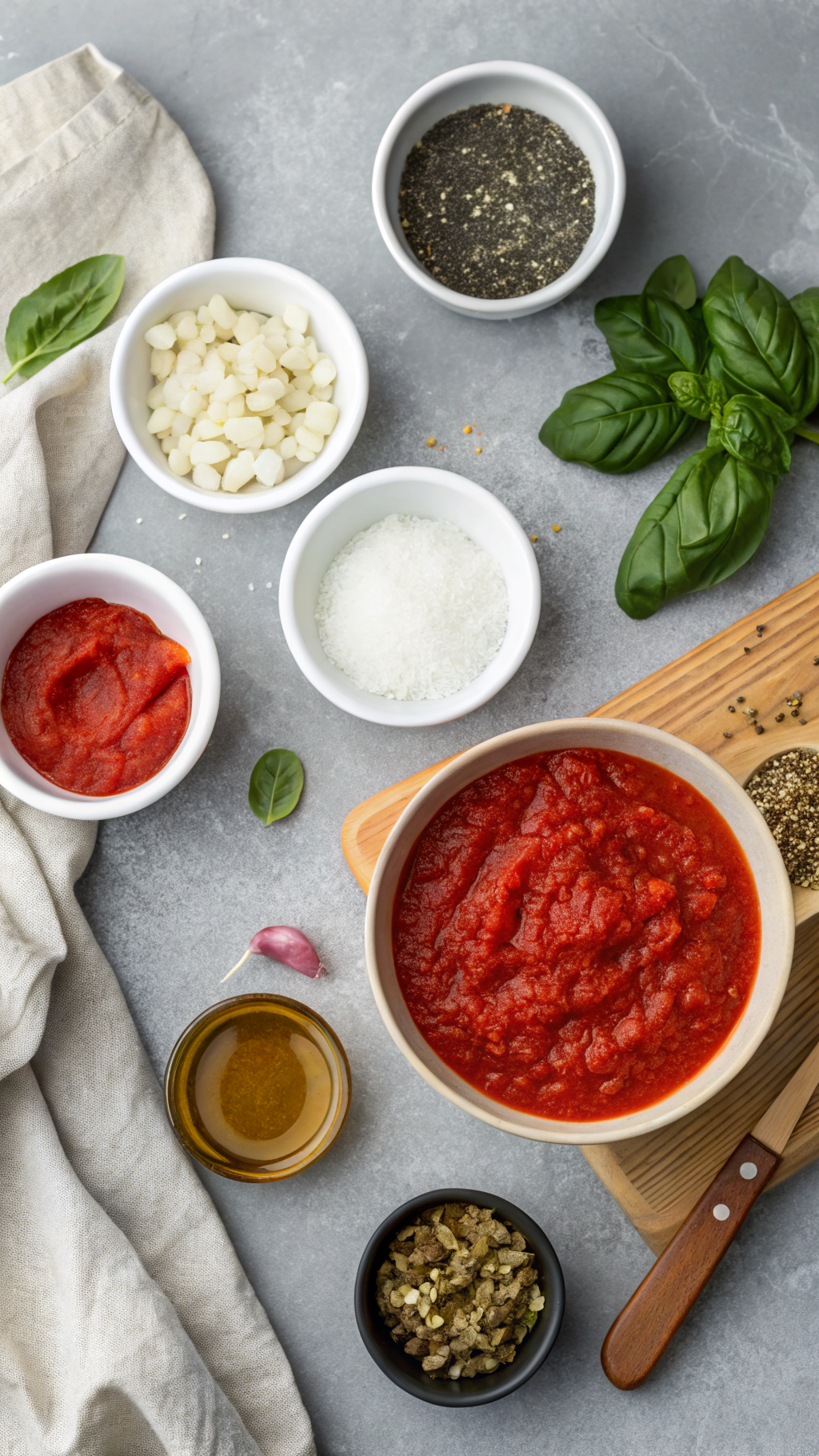
- 2 tablespoons extra-virgin olive oil (use a good-tasting brand, not the super cheap bitter stuff)
- 1 small yellow onion, finely diced
- 4 cloves garlic, minced or pressed
- 1 can (28 ounces) whole peeled tomatoes, preferably San Marzano or a good Italian brand
- 2 tablespoons tomato paste (tube tomato paste works great and stores easily in the fridge)
- 1 teaspoon sugar (optional, to balance acidity if needed)
- 1 teaspoon kosher salt, plus more to taste
- ½ teaspoon freshly ground black pepper
- ½ to 1 teaspoon red pepper flakes, to taste
- 1 teaspoon dried oregano
- 1 teaspoon dried basil or 2 tablespoons chopped fresh basil
- 1 small bay leaf (optional, but it adds nice depth)
Fresh flavor boosters
- 2 tablespoons chopped fresh parsley or basil for finishing
- 1 to 2 teaspoons balsamic vinegar or red wine vinegar, to brighten the flavor at the end
Pantry swaps and substitutions
- Use crushed tomatoes instead of whole if you prefer a smoother sauce with less blending.
- Use diced tomatoes if that is what you have, then simmer a bit longer for a thicker texture.
- Skip the sugar if your tomatoes taste naturally sweet, or swap with a tiny pinch of baking soda to soften acidity.
- Use garlic powder in a pinch: ½ teaspoon garlic powder replaces 2 cloves fresh garlic, add it after the onions soften.
Equipment list
- Medium saucepan or wide skillet (3-quart size works well)
- Wooden spoon or silicone spatula
- Cutting board and sharp knife
- Can opener
- Immersion blender or regular blender (optional, for a smoother marinara sauce recipe)
Tips & Tricks
- Warm the olive oil gently so the garlic softens and sweetens instead of burning.
- Dice the onion small so it melts into the sauce and kids do not complain about chunks.
- Crush whole tomatoes by hand in a bowl or right in the pot for a rustic texture.
- Taste the tomatoes before cooking and adjust sugar or vinegar based on how acidic they taste.
- Keep the heat at a gentle simmer so the sauce thickens slowly and flavors deepen.
- Stir often near the end of cooking so the tomato paste does not stick to the bottom.
- Add fresh herbs at the end of cooking so they keep their bright flavor.
- For a smoother marinara sauce recipe, blend part or all of the sauce with an immersion blender.
- Salt in layers: add some at the start, then taste and adjust at the end.
- Double the recipe and freeze half so future you thanks present you on a busy night.
How to Make Marinara Sauce
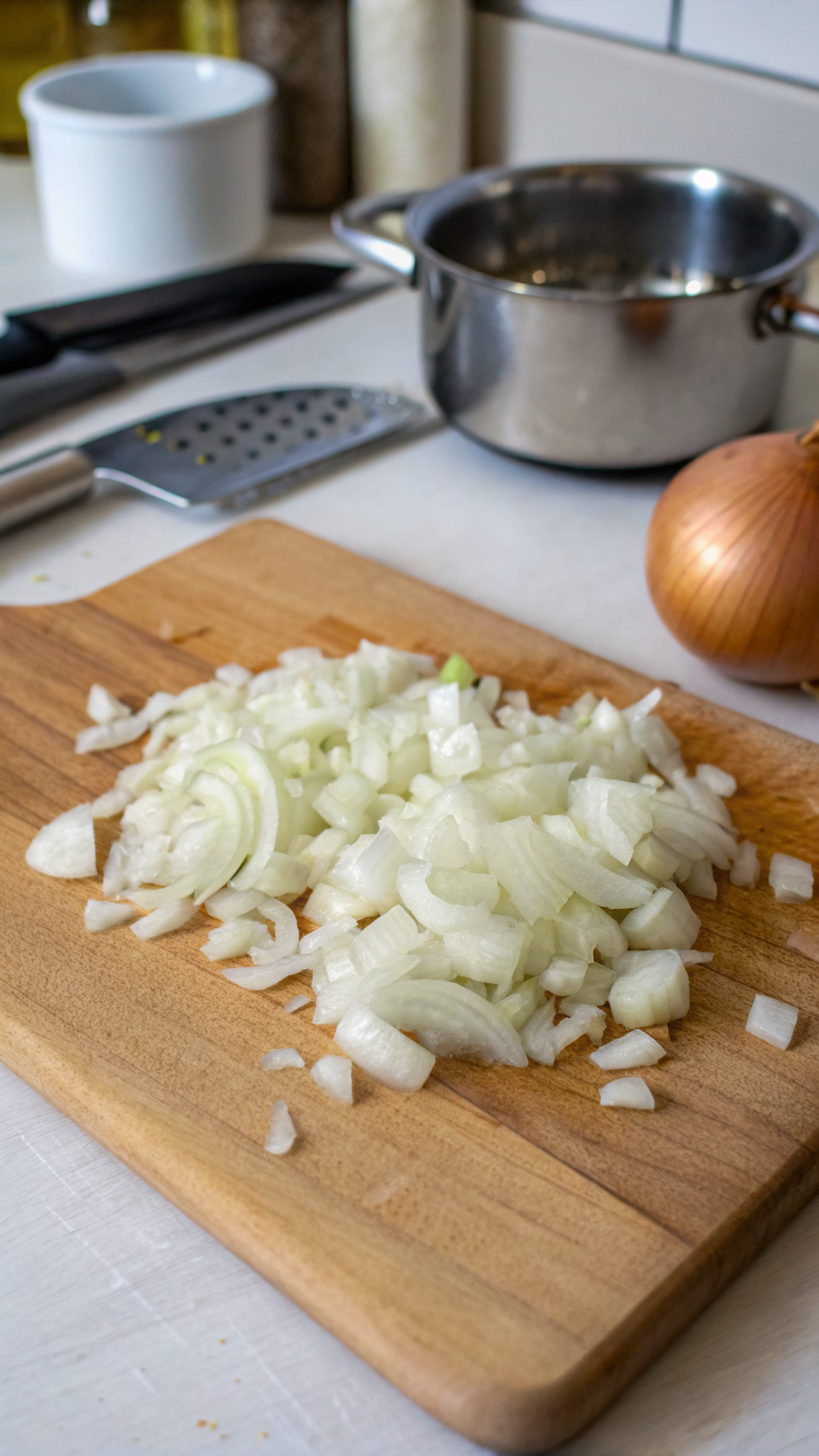
Step 1: Prep the aromatics
Peel and finely dice the onion. Mince or press the garlic cloves. Open the can of tomatoes and either leave them whole for now or crush them lightly with clean hands in a bowl.
Set all ingredients near the stove so you cook without frantic cabinet digging. This small prep step keeps the marinara sauce recipe easy and relaxed.
Step 2: Sauté onion and garlic
Heat the olive oil in a medium saucepan over medium heat until it shimmers. Add the diced onion and a pinch of salt, then cook 5 to 7 minutes, stirring often, until the onion turns soft and lightly golden around the edges.
Lower the heat slightly, then add the minced garlic. Cook 30 to 60 seconds, just until the garlic smells fragrant and no longer raw.
Step 3: Toast tomato paste and spices
Add the tomato paste to the pan and stir it into the onions and garlic. Cook 1 to 2 minutes, stirring constantly, until the tomato paste darkens slightly in color and smells rich.
Sprinkle in the dried oregano, dried basil, red pepper flakes, black pepper, and another small pinch of salt. Stir and let the spices toast for about 30 seconds so they release their flavor into the oil.
Step 4: Add tomatoes and simmer
Pour in the canned tomatoes with their juices. If you did not crush them earlier, break them up with your spoon right in the pot.
Add the bay leaf if you use it. Stir everything together, then bring the sauce to a gentle simmer over medium heat.
Lower the heat to medium-low so the sauce bubbles softly. Simmer 20 to 25 minutes, stirring every few minutes, until the marinara sauce thickens and the flavors taste rich and mellow.
Step 5: Adjust texture
For a chunky marinara sauce recipe, keep simmering until the sauce reaches your preferred thickness. For a smoother sauce, use an immersion blender directly in the pot and blend to your desired texture.
If you use a regular blender, cool the sauce slightly, blend in batches with the lid vented and a towel over the top, then return the sauce to the pot. Keep the sauce on low heat while you finish seasoning.
Step 6: Final seasoning
Taste the sauce. If it tastes too sharp or acidic, stir in 1 teaspoon sugar and taste again. Add more sugar only if you need it.
Stir in 1 to 2 teaspoons balsamic or red wine vinegar to brighten the flavor if the sauce tastes flat. Remove the bay leaf, then add the chopped fresh basil or parsley. Taste again and adjust salt and pepper until the marinara sauce recipe tastes balanced and bold.
What to Serve with Marinara Sauce
Serve this marinara sauce recipe over spaghetti, penne, or any pasta that waits in your pantry. Spoon it over zucchini noodles or spaghetti squash for a lighter option that still tastes cozy. Use it as a dipping sauce for mozzarella sticks, garlic bread, or crispy baked chicken tenders.
Spread it on pizza dough, English muffins, or flatbread for quick homemade pizza night. Pour it over meatballs, stuffed peppers, or baked eggplant for a hearty dinner that feels special but still uses simple ingredients.
Storage Options
- Cool the marinara sauce recipe to room temperature, then store it in airtight containers in the fridge for up to 5 days.
- Freeze portions in freezer-safe containers or zip-top bags for up to 3 months, then label with the date so you keep track.
- Reheat gently on the stove over low to medium heat, adding a splash of water if the sauce thickens too much.
- Reheat in the microwave in short bursts, stirring between each burst, until the sauce heats through and steams.
Ingredients
Instructions
- Heat the olive oil in a large saucepan over medium heat.
- Add the chopped onion and cook, stirring occasionally, until softened and translucent, about 5–7 minutes.
- Stir in the minced garlic and cook for 30–60 seconds, just until fragrant, being careful not to let it brown.
- Pour in the crushed tomatoes and diced tomatoes, then stir to combine.
- Season with salt, black pepper, dried oregano, dried basil, dried thyme (if using), sugar (if using), and red pepper flakes if you like a little heat. Stir well.
- Bring the sauce to a gentle simmer, then reduce the heat to low. Partially cover the pan and simmer for 20–25 minutes, stirring occasionally, until slightly thickened and flavors have developed.
- Taste and adjust seasoning with additional salt, pepper, or herbs as desired.
- Stir in the fresh basil just before serving, if using. Serve warm over pasta or use as a base for other dishes.
Notes
Approximate per 1/2-cup serving (about 8 servings total): 80 calories; fat 4 g; saturated fat 0.5 g; carbohydrates 10 g; fiber 2 g; sugars 6 g; protein 2 g; sodium 420 mg. Values will vary based on specific tomato brands, added sugar, salt level, and portion size.