
Korean Braised Spicy Chicken (Dak Doritang) Recipe hits that perfect spot between cozy comfort food and bold, fiery flavor, with tender chicken, soft potatoes, and a rich, spicy broth that begs for rice. It works for busy weeknights or casual weekend dinners, since you can get it on the table in about 50 to 60 minutes total. I grew up far from any Korean neighborhood, so I reverse-engineered this dish in my tiny apartment kitchen until my friends started “dropping by” on braise nights.
Why Korean Braised Spicy Chicken (Dak Doritang) Recipe Is Worth It
This Korean Braised Spicy Chicken packs deep gochujang heat, gentle sweetness from onion and carrot, and that slow-simmered flavor that tastes like you worked all day on it. The potatoes soak up the spicy broth, the chicken turns fall-apart tender, and the whole pot feels like a hug with a little kick.
You cook everything in one pot, so cleanup stays easy and the flavors stay concentrated. The recipe uses simple pantry ingredients like soy sauce, gochujang, and gochugaru, so once you stock those, you can repeat this on autopilot whenever a craving hits.
“This Korean Braised Spicy Chicken (Dak Doritang) Recipe tastes like cozy comfort food with a spicy edge, and my whole family licks their bowls clean every time. ★★★★★”
Ingredients You Need
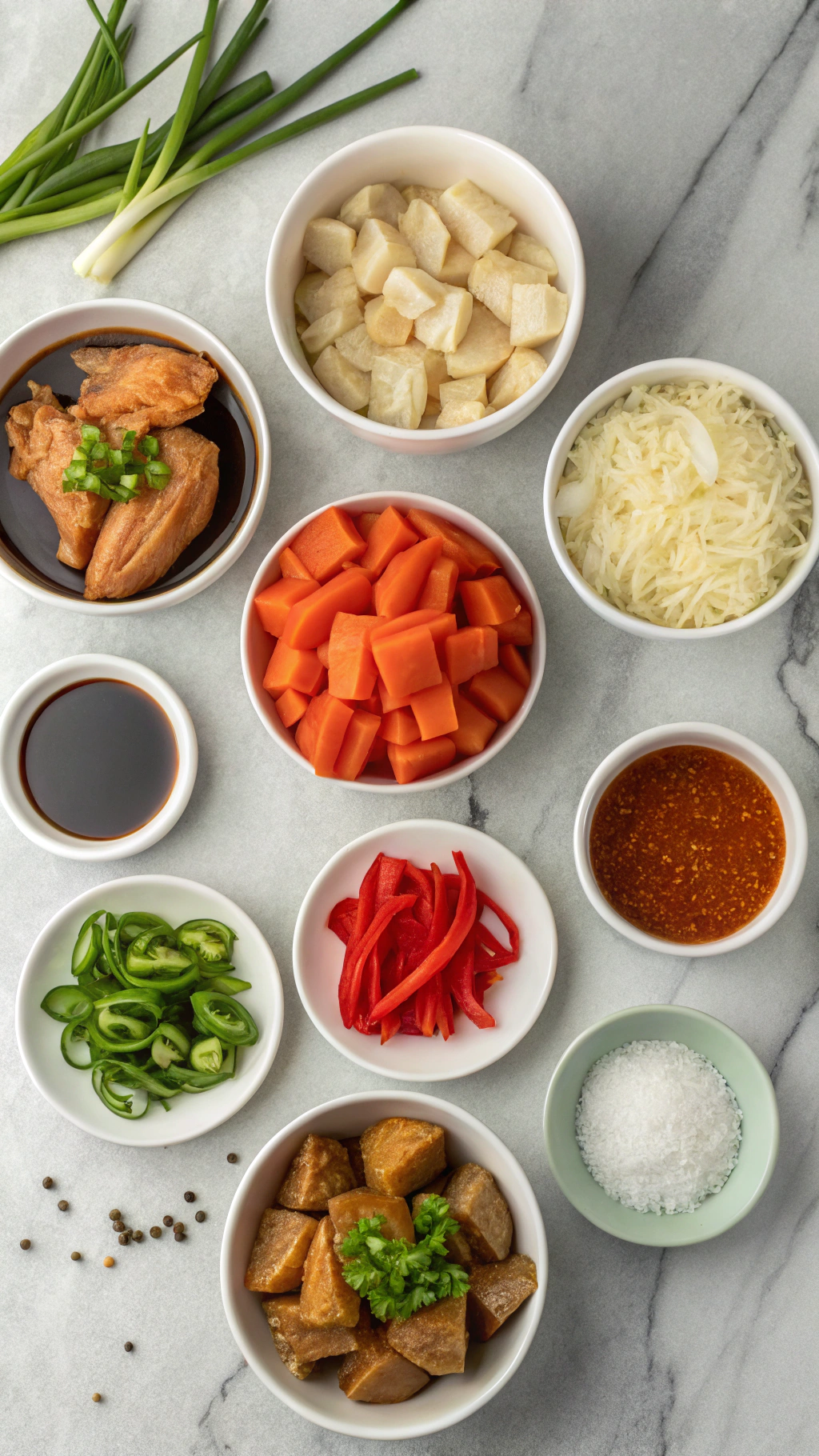
Chicken and Vegetables
- 2 pounds bone-in, skin-on chicken drumsticks or thighs
- You can use boneless thighs if you prefer easier eating, but reduce simmer time by about 10 minutes.
- 2 medium russet or Yukon Gold potatoes, peeled and cut into large chunks
- 2 medium carrots, peeled and sliced into thick coins
- 1 medium yellow onion, sliced
- 2 green onions, sliced (white and green parts separated)
- 1 small zucchini, cut into thick half-moons (optional but tasty)
- 1 cup daikon radish, peeled and cut into chunks (optional, adds sweetness)
- 2 to 3 cloves garlic, minced
- 1 tablespoon fresh ginger, minced
Spicy Braising Sauce
- 2 tablespoons gochujang (Korean red chili paste)
- I like brands such as Chung Jung One or CJ Haechandle for balanced heat and sweetness.
- 1 to 2 tablespoons gochugaru (Korean red chili flakes), adjust for spice level
- Use 1 tablespoon for mild, 2 for medium-hot, and a bit more if you enjoy serious heat.
- 3 tablespoons soy sauce
- Use low-sodium if you watch salt.
- 1 tablespoon oyster sauce (optional, adds depth)
- 1 tablespoon sugar or honey
- You can swap with brown sugar for a deeper caramel note.
- 1 tablespoon rice vinegar or mirin
- 1 tablespoon toasted sesame oil
- 1 to 1½ cups low-sodium chicken broth or water
- ½ teaspoon black pepper
Pantry Shortcuts and Substitutions
- Use store-bought minced garlic and ginger if you want a shortcut on busy nights.
- If you cannot find gochugaru, use a mix of mild chili flakes and a pinch of smoked paprika, though the flavor shifts slightly.
- If you cannot find gochujang, use a mix of miso paste, chili paste, and a bit of sugar, but the taste will not match exactly.
Equipment
- Large heavy-bottomed pot or Dutch oven with lid
- Cutting board and sharp knife
- Measuring cups and spoons
- Wooden spoon or spatula
- Ladle for serving
Quick Tips & substitutions
- Pat the chicken dry and sear it well so the skin browns and the broth gains rich flavor.
- Cut potatoes into large chunks so they hold shape and do not break apart during the braise.
- Adjust gochugaru to your spice comfort level; start low, then add more near the end if you want extra heat.
- Use boneless, skinless chicken thighs if you prefer leaner meat, and shorten simmer time by about 10 minutes.
- Swap potatoes with Korean sweet potatoes for a slightly sweet, creamy twist.
- Use gluten-free tamari instead of soy sauce if you avoid gluten.
- Stir in a handful of spinach or napa cabbage near the end for extra veggies.
- Taste the broth before serving and balance it with a splash of soy for salt, sugar for sweetness, or vinegar for brightness.
How to Make Korean Braised Spicy Chicken (Dak Doritang)
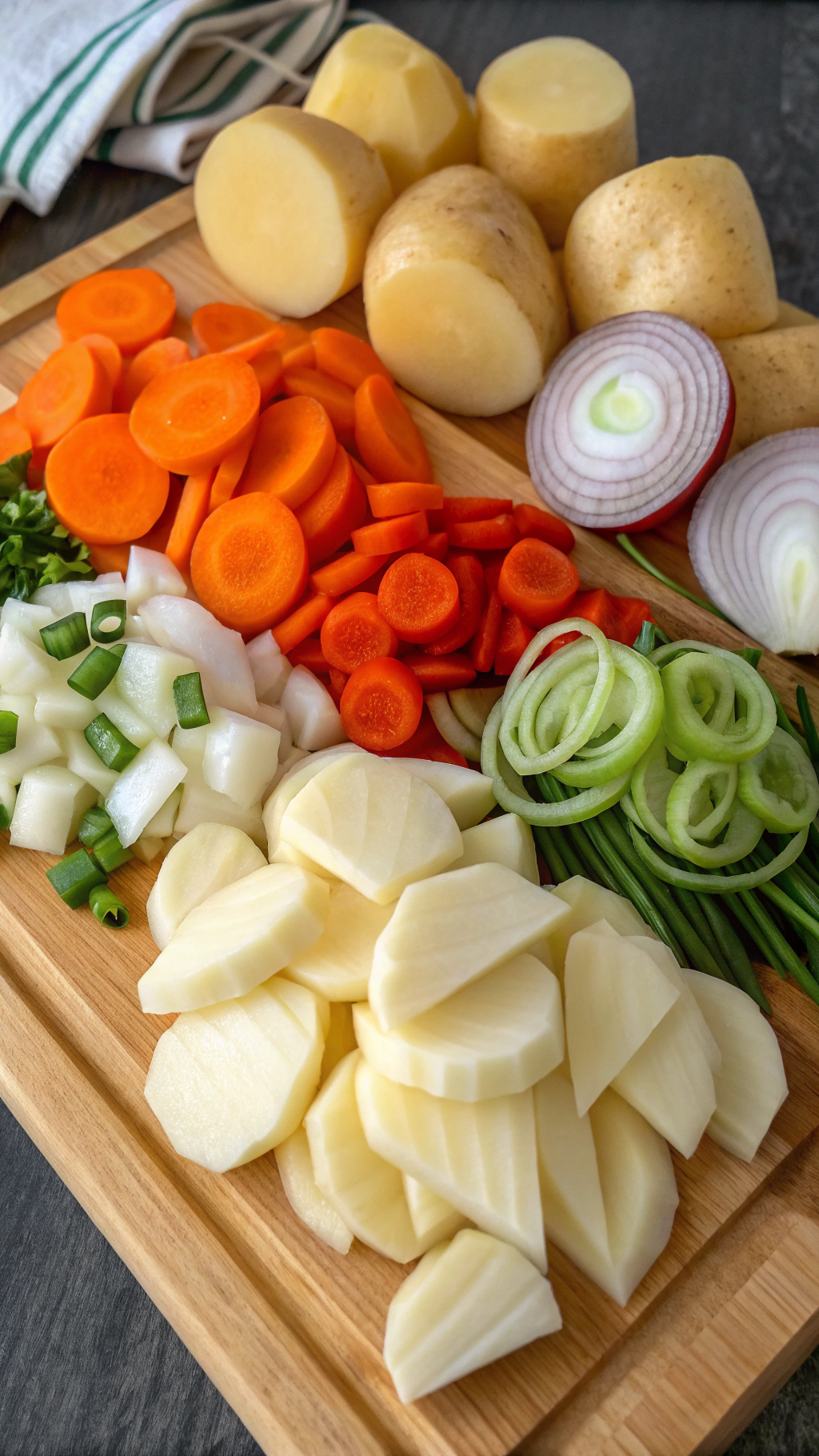
Step 1: Mix the spicy braising sauce
In a bowl, whisk together gochujang, gochugaru, soy sauce, oyster sauce, sugar or honey, rice vinegar or mirin, sesame oil, black pepper, and 1 cup of broth or water. Stir until the gochujang dissolves and the mixture looks smooth. Taste a tiny bit and adjust sweetness or salt so it matches your preference.
Step 2: Sear the chicken
Heat a tablespoon of neutral oil in your pot over medium-high heat. Pat the chicken dry with paper towels, then place pieces in the pot in a single layer, skin side down. Sear until the skin browns nicely, about 4 to 5 minutes per side, then transfer the chicken to a plate.
Step 3: Sauté veggies and aromatics
Lower the heat to medium and add sliced onion and carrots to the same pot. Cook until they soften and pick up the browned bits, about 5 to 7 minutes. Stir in garlic and ginger and cook for 1 to 2 minutes, until they smell fragrant and toasty.
Step 4: Build the braise
Add the seared chicken back into the pot, nestling pieces among the onions and carrots. Pour the spicy braising sauce over the chicken, then add potatoes and daikon if you use it. If the liquid does not nearly cover the chicken and vegetables, add a bit more broth or water until it comes just below the top.
Step 5: Simmer until tender
Bring the pot to a gentle boil over medium-high heat, then lower the heat to maintain a steady simmer. Cover the pot and cook for about 25 minutes, stirring once or twice so nothing sticks. After 25 minutes, uncover and simmer another 10 to 15 minutes so the sauce thickens slightly and the potatoes and chicken turn very tender.
Step 6: Finish with veggies and green onion
Add zucchini during the last 10 minutes of cooking so it softens but does not turn mushy. Stir in the white parts of the green onion and cook 2 to 3 minutes more. Turn off the heat, taste the broth, and adjust seasoning with soy, sugar, or vinegar as needed, then sprinkle the green onion tops over the pot.
Step 7: Serve hot
Ladle Korean Braised Spicy Chicken (Dak Doritang) into shallow bowls, making sure each serving gets plenty of potatoes and broth. Serve it piping hot with steamed white rice or short-grain brown rice. Add a side of kimchi or simple cucumber salad for crunch and freshness.
Recipe Variations
- Gluten-free version: Use gluten-free tamari instead of soy sauce and confirm your gochujang label lists no wheat.
- Lower carb: Replace potatoes with radish, zucchini, or cauliflower chunks.
- Extra veggie-heavy: Add napa cabbage, mushrooms, or spinach during the last 5 to 10 minutes of cooking.
- Mild version: Cut gochugaru in half and use a mild gochujang; add a bit more sugar to soften the heat.
- Extra spicy: Add more gochugaru or a spoon of Korean cheongyang chili or your favorite hot chili.
- Kid-friendly: Reduce gochujang and gochugaru, then serve chili paste on the side for adults.
Ways to Serve Korean Braised Spicy Chicken (Dak Doritang)
- Spoon it over steamed short-grain rice so the grains soak up the spicy broth.
- Serve it with a spread of banchan like kimchi, pickled radish, and seasoned spinach.
- Pair it with plain ramen noodles or udon for a hearty noodle bowl.
- Offer lettuce leaves and rice so people can wrap chicken, potato, and sauce into little hand-held bites.
- Add a simple cucumber salad or sliced fresh veggies to cool down the heat.
Storage Success
Let the Korean Braised Spicy Chicken cool until it reaches room temperature, then transfer it to airtight containers and refrigerate it for up to 3 to 4 days. The flavors deepen overnight, so leftovers often taste even better the next day. Reheat gently on the stove over medium-low heat with a splash of water or broth so the sauce loosens. Freeze portions in freezer-safe containers for up to 2 months, and thaw them in the fridge before reheating for a quick, comforting meal.
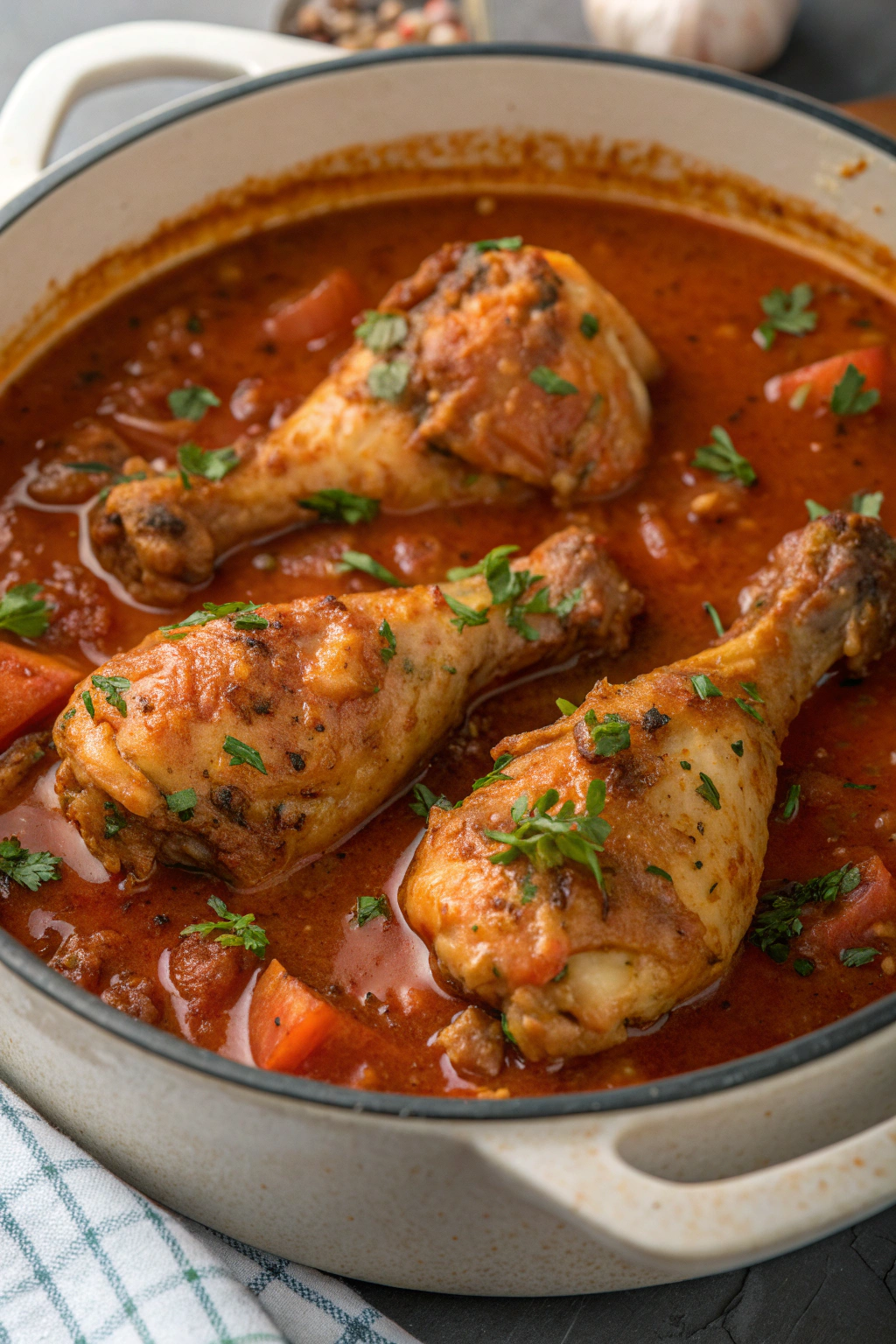
Korean Braised Spicy Chicken (Dak Doritang)
Ingredients
Instructions
- Rinse the chicken pieces under cold water and pat dry with paper towels. Trim any excess fat if desired.
- In a large pot, combine gochujang, gochugaru, soy sauce, rice wine, sugar or honey, minced garlic, ginger, sesame oil, and water or chicken broth. Stir until the paste is mostly dissolved.
- Add the chicken pieces to the pot, making sure they are mostly submerged in the sauce mixture.
- Bring to a boil over medium-high heat, then reduce the heat to medium-low, cover, and simmer for about 15–20 minutes, stirring occasionally.
- Add the potatoes, carrots, and onion to the pot. Stir gently to coat the vegetables in the sauce.
- Cover and continue to simmer for another 20–25 minutes, or until the chicken is cooked through and the potatoes are tender. Stir occasionally and skim off any excess fat if needed.
- Taste the broth and adjust seasoning with additional soy sauce, salt, black pepper, or more gochugaru for extra heat.
- Turn off the heat. Garnish with sliced green onions and toasted sesame seeds before serving.
- Serve hot with steamed rice and Korean side dishes if desired.
Notes
Approximate per serving (4 servings): 430 calories; fat 18 g; saturated fat 4 g; carbohydrates 30 g; fiber 4 g; sugars 9 g; protein 34 g; sodium 1350 mg. Values are estimates and will vary based on exact ingredients, brands, and portion size.